
Can You Improve Athletic Performance Naturally?
Last Updated: October 25, 2026
Quick Summary
You can improve athletic performance naturally by training on a consistent schedule, fuelling deliberately with everyday food and hydration, and treating recovery as part of the program. Strength work twice a week, sleep of seven to nine hours, and gradual load increases build the base that sport-specific training sits on.
Two well-planned strength sessions a week beat five scattered ones for most amateur athletes.
Eat a pre-workout meal of complex carbohydrates and moderate protein two to three hours before training.
Aim for seven to nine hours of sleep on a consistent schedule and at least one full rest day weekly.
Increase weekly training volume by no more than around 10 per cent and avoid raising volume and intensity together.
Re-test your benchmarks every four to six weeks to confirm the plan is working.
Table of Contents
Building Strength Training for Athletes Into Your Week
Improving athletic performance naturally starts with a simple truth: the body adapts to what you ask of it, provided you ask consistently and recover properly. The athletes who progress are the ones who train on a schedule, fuel deliberately, and treat recovery as part of the program rather than something that happens by accident. (Source: Nutrition Australia's guidance)
Athletic performance is the combination of strength, conditioning, movement quality and recovery that determines how well you execute your sport. It is not one quality but several, and neglecting any single one caps how far the others can take you.
Strength training for athletes sits at the foundation. The Australian Institute of Sport frames strength work as a pillar of athlete development for exactly this reason: it builds the base that sport-specific training sits on.
Progressive Overload Without Burning Out
Progressive overload means adding a small amount of stress over time, then backing off before fatigue accumulates. A common mistake is chasing a personal best every session. In practice, we suggest adding load or reps in small increments, then scheduling a lighter week every fourth week. That lighter week is not laziness; it is where adaptation actually consolidates.
Sports Nutrition for Performance: Fuel, Timing and Hydration
Sports nutrition for performance is about matching what you eat to what you are asking your body to do. Many athletes eat well in general but mistime their intake, leaving them flat at training and slow to recover afterwards.
According to Nutrition Australia, everyday food first is the sensible starting point, with supplements considered only where a genuine gap exists.
What to Eat Before and After Training
A pre-workout meal two to three hours before training should lean on complex carbohydrates for steady energy, with a moderate amount of protein. If you are short on time, a lighter carbohydrate snack closer to the session works better than training on nothing. After training, a carbohydrate-protein combination supports muscle glycogen replenishment and repair. Chocolate milk is a practical example that many athletes find easy to tolerate.
A simple way to frame portions without weighing everything: build each main meal around a palm-sized serve of protein, a fist-sized serve of carbohydrate, and a thumb-sized serve of healthy fats, then adjust upward on heavy training days. Most amateur athletes under-eat carbohydrate on the days they train hardest and over-eat it on rest days, flipping that pattern alone often improves energy at training within a fortnight.
Hydration and Fatigue Prevention
Dehydration is one of the most common and least recognised causes of a flat session. A practical baseline is pale-straw urine through the day and roughly 500-600 mL of water in the two hours before training, then sipping 150-250 mL every 15-20 minutes during sessions lasting under an hour. For sessions beyond 60-90 minutes, or in heat, add an electrolyte drink containing sodium.
Individualising Nutrition by Sport and Training Level
The right fuelling plan depends on the demands of your sport and where you sit in your training. A recreational athlete training three times a week rarely needs sports drinks or gels; a field-sport player doing repeated high-intensity efforts benefits from carbohydrate before and during sessions. Strength-focused athletes can prioritise protein spread across the day, roughly 1.6-2.2 g per kilogram of body weight for most training athletes, according to widely cited sports nutrition guidance, while endurance athletes need to periodise carbohydrate around long sessions.
Pro Tip Our community at RIGS Brookvale regularly swaps practical fuelling ideas, what worked before a long run, what sat well after a heavy leg session, and that shared experience is often more useful than a generic meal plan.
A Note on Supplements
Supplements are where many athletes look for a shortcut, but the evidence is narrower than the marketing suggests. Caffeine and creatine monohydrate have the strongest support in the sports science literature for performance, while most other products range from modest to unproven. If you do choose to supplement, look for products that carry a reputable third-party testing mark, check for interactions with any medication you take, and treat anything promising dramatic results with scepticism.
Here are the practical fuelling and hydration figures the article sets out for training days.
Item | Value | Note |
Pre-workout meal | 2-3 hours before training | Complex carbohydrates with moderate protein |
Water before training | 500-600 mL in the two hours prior | Sip 150-250 mL every 15-20 minutes during sessions under an hour |
Electrolyte drink | Sessions beyond 60-90 minutes or in heat | Choose one containing sodium |
Protein intake | 1.6-2.2 g per kilogram of body weight | Spread across the day for strength-focused athletes |
Fluid replacement | Roughly a litre per kilogram lost | Weigh yourself before and after a long session |
Post-training fuel | Carbohydrate-protein combination | Chocolate milk is a practical example |
Sleep and Athletic Performance: The Recovery Habit Most Athletes Skip
Sleep is the single most underrated recovery tool available to any athlete. Sleep and athletic performance are tightly linked: it is when tissue repair, hormonal recovery and cognitive restoration happen, and no supplement or gadget compensates for consistently short nights.
Rigs Brookvale
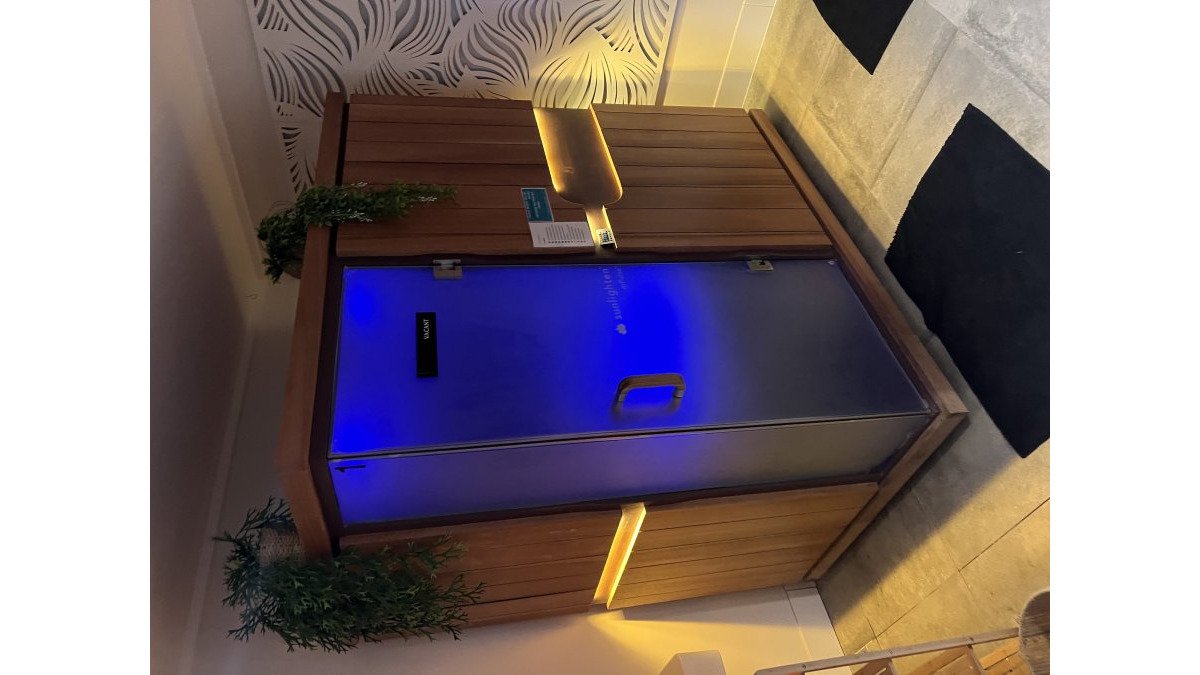
If sleep is where you struggle, an infrared sauna session in the early evening can help many people relax and settle, though we would never present it as a substitute for good sleep habits.
Athlete Recovery Strategies That Actually Move the Needle

Athlete recovery strategies work best when they are scheduled, not improvised. The basics remain non-negotiable: sleep, adequate food and water, and easy movement on rest days. Beyond that, deliberate recovery tools help athletes return to training with less residual soreness and better range of motion.
Building a Weekly Recovery Plan
A recovery plan is simply a schedule that sits alongside your training.
Recovery monitoring matters as much as the plan. A simple morning check, resting heart rate, sleep quality, muscle soreness, and overall energy rated out of ten, takes under a minute and reveals patterns a single day cannot. Two or three consecutive mornings of poor scores is a signal to reduce load, not push through.
Contrast Water Therapy and Other Recovery Tools
Contrast water therapy alternates hot and cold water immersion to encourage circulation and reduce post-training stiffness. You can also experience enhanced recovery with NormaTec Compression Therapy as another scheduled recovery option. It is one of several tools we offer, alongside compression therapy and hyperbaric oxygen. If you want to understand what a session involves, you can discover Contrast Water Therapy and see how it fits into a weekly recovery routine.
Load Management and Safe Progression
Most avoidable injuries come from doing too much, too soon. A widely used rule of thumb is to increase weekly training volume by no more than around 10 per cent, and to avoid increasing volume and intensity in the same week. Structured progression, sometimes called periodisation, means planning your training in blocks: a build phase where load rises, a consolidation phase where it holds, and a lighter week every fourth week where adaptation consolidates.
Warning Signs and When to Seek Professional Care
Some soreness after training is normal; pain that sharpens during activity, persists beyond 48-72 hours, or comes with swelling, joint instability, or a limp is not. Other warning signs include sleep and resting heart rate drifting in the wrong direction for more than a week, a drop in performance that does not recover with a lighter week, and any injury that keeps recurring in the same spot.
Key Takeaway Recovery is a scheduled part of training, not a reward for it. Plan it weekly, monitor it daily, progress load gradually, and act early on warning signs, that combination is what separates athletes who keep improving from those who keep breaking down.
Our community at RIGS Brookvale is built around exactly this idea: athletes sharing what works, keeping each other honest about rest days, and treating recovery with the same discipline as training. That collective accountability is a genuine part of the value we offer.
How to Improve Athletic Performance Naturally With Consistent Training and Warm-Ups
Learning how to improve athletic performance naturally comes down to a repeatable weekly rhythm. The athletes who see the biggest gains are rarely doing anything exotic; they are simply doing the fundamentals often enough for them to compound.
Set a consistent schedule and protect it, even in busy weeks
Complete a warm-up before every session to prepare joints and muscles
Include stretching and range-of-motion work to support movement efficiency
Build sport-specific conditioning around timed drills and skill development
Track your sessions so progress is visible rather than assumed
Schedule recovery with the same discipline as training
A warm-up of five to ten minutes, moving through dynamic stretches and gradually raising intensity, prepares the body for the work ahead. Skipping it is one of the most common mistakes we see, and it is often the moment an avoidable niggle appears.
Tracking Progress: Simple Metrics That Show Athletic Performance Gains
Progress you cannot measure is progress you cannot trust. You do not need a laboratory; a notebook or a simple app is enough. Record strength testing results, training duration, resting heart rate and how you feel each morning.
Benchmark your starting point, then re-test every four to six weeks. If strength gains stall while fatigue climbs, that is your signal to back off. If everything is moving in the right direction, hold the course and resist the urge to add more.
Booking Your First Recovery Session at RIGS Brookvale
Our community is the reason we do this. You can review our pricing options to find a casual session, pack or weekly membership that suits your budget, or book your first session and let our team guide you through which therapies fit your training load.
Recovery works best as a habit, not a one-off. Start with one session a week, pair it with the training and nutrition basics above, and give it a month before judging the results.
Frequently Asked Questions
What is the best way to improve athletic performance naturally?
The most reliable approach combines consistent training with adequate recovery. Build a weekly schedule that includes strength training for athletes, sport-specific conditioning and at least one rest day. Pair that with regular sleep, balanced meals containing protein and carbohydrates, and steady hydration. Small habits repeated over months produce bigger gains than occasional intense efforts. Tracking simple metrics like session times or how you feel each morning helps you see whether your athletic performance is actually improving.
How much sleep do athletes need for recovery?
Most sports medicine guidance suggests adults aim for seven to nine hours of sleep each night, and athletes in heavy training blocks often benefit from the upper end of that range. Sleep and athletic performance are closely linked: poor sleep affects reaction time, mood and how hard sessions feel. Keep a consistent bedtime, dim screens an hour before bed, and treat sleep as part of your training plan rather than an afterthought.
What should athletes eat to improve performance?
Focus on a nutritious meal built around complex carbohydrates for energy, protein for muscle repair and healthy fats for longer-lasting fuel. Eat a pre-workout meal one to three hours before training, and follow hard sessions with a carbohydrate-protein combination to replenish muscle glycogen. Water should be your default drink throughout the day. For individual needs, especially around training duration and body weight, speak with an accredited sports dietitian.
Can recovery therapies help support athletic performance?
Recovery therapies such as contrast water therapy, compression therapy and infrared saunas are used by many athletes alongside training and nutrition to support how they feel between sessions. Evidence varies by therapy and individual, so treat them as supportive tools rather than guarantees. At RIGS Brookvale, our team can talk you through which options suit your situation, and anyone with an injury or health condition should check with their treating practitioner first.
How often should athletes take rest days?
Most training programs include at least one full rest day per week, with lighter sessions around it. Rest days let muscle glycogen refill and give your nervous system a break, which supports consistent schedule adherence over the long term. If you notice persistent fatigue, poor sleep or declining performance, that is a signal to add an easier day rather than push through. A coach or physiotherapist can help you structure rest around your competition calendar.
How can I improve endurance and stamina naturally?
Endurance builds through gradually increasing training duration and including timed drills at a controlled effort. Keep most sessions easy so you can recover, then add one harder session each week. Support the work with hydration, carbohydrate intake around longer sessions, and consistent sleep. Progress tracking, such as noting your pace or how long you can hold a drill, shows whether your baseline is shifting. Rapid jumps in volume are a common cause of fatigue and injury.
The hardest part of natural performance improvement is not knowing what to do; it is doing it consistently enough to matter. If you want support with the recovery side of that equation, RIGS Brookvale offers contrast water therapy, compression therapy and infrared saunas in one welcoming space, backed by a team that takes the time to explain what each session does. Get started with RIGS Brookvale and give your training the recovery it deserves.


Comments