
Exercises to Relieve Chronic Joint Pain Safely at Home
Last Updated: November 26, 2026
Quick Summary
The most useful exercises for chronic joint pain are gentle, low-impact activities done regularly, such as walking, water-based exercise, stationary cycling, yoga and Tai Chi. Start with short sessions, keep movement comfortable, and check with your doctor or physiotherapist before beginning. Consistent small efforts help joint pain more than occasional hard workouts.
Start with short, flat walks of 10 to 15 minutes and add time slowly.
Water-based exercise lets the water support your body weight, reducing joint load.
Range-of-motion exercises, repeated 5 to 10 times, help reduce stiffness.
Stop exercising if you feel sharp or stabbing pain, or a sudden catch or locking.
Aim for short sessions of 20 to 30 minutes, three to five days a week.
Ready to ease your joint pain?
RIGS Brookvale offers recovery and wellness therapies on Sydney's Northern Beaches, with a supportive community.
Table of Contents
How Exercise Helps Chronic Joint Pain
Exercise is one of the most useful tools for managing chronic joint pain.
Joint pain often leads people to rest more. That makes sense on a bad day, but long periods of stillness can make stiffness worse.
Many people find that small, consistent efforts work better than occasional hard sessions. Here is what regular movement tends to offer:
Better joint mobility and smoother daily movement
Stronger muscles that take pressure off sore joints
Improved circulation and energy levels
A steadier mood and a sense of control over your health
If you are new to exercise with joint pain, speak with your doctor or physiotherapist first. They can help you choose a starting point that suits your condition.
Low-Impact Exercises for Joint Pain
Low-impact exercise puts less stress on the joints than running or jumping. Most people with chronic joint pain can find at least one low-impact activity they enjoy.
Walking and Water-Based Exercise
Walking is one of the simplest options. Start with short, flat walks of 10 to 15 minutes and add time slowly as your joints allow.
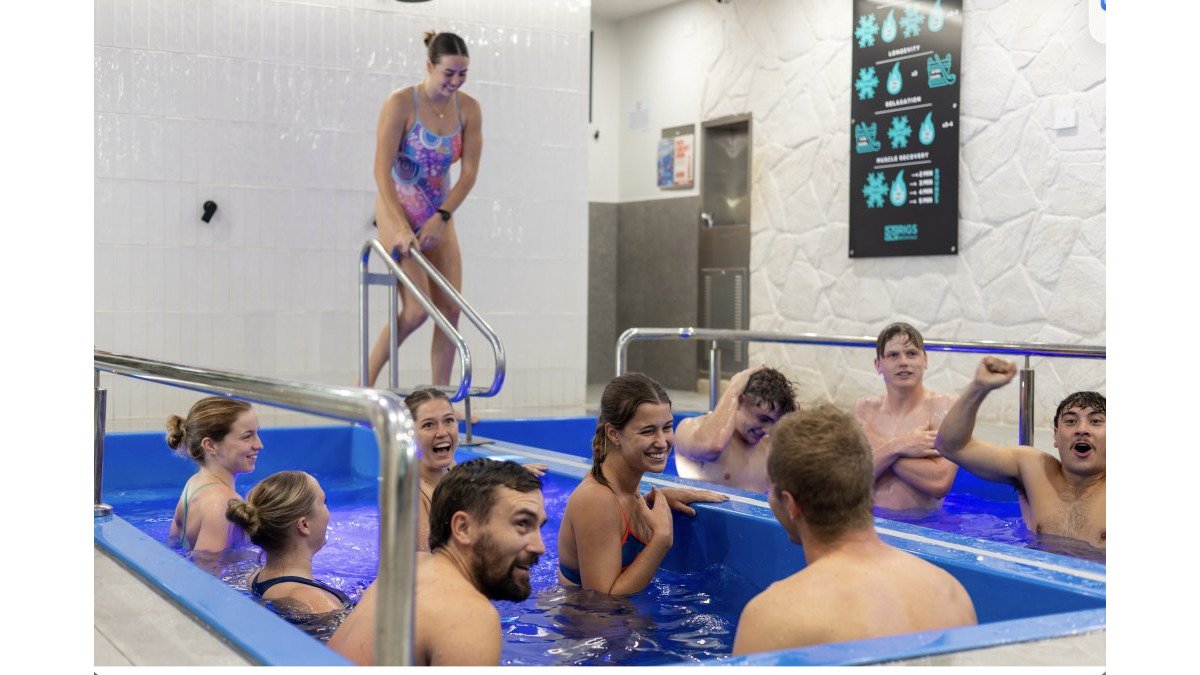
Water-based exercise is another strong choice. The water supports your body weight, so your joints carry less load.
A common mistake is doing too much on the first day. Aim for a pace where you can still hold a conversation.
Cycling, Yoga and Tai Chi
Stationary cycling is joint-friendly because the seat and pedals support your weight. Keep the resistance low and the pace steady. Cycling is a good choice for knees and hips that feel stiff after sitting.
Yoga and Tai Chi focus on slow, controlled movement and balance. Gentle yoga poses can improve flexibility, while Tai Chi builds balance and coordination with very little stress on the joints.
Range-of-Motion Exercises for Stiff Joints
Range-of-motion exercises move a joint through its full comfortable movement. They help reduce stiffness and keep joints working smoothly. Perform them gently, and stop if you feel sharp pain.
Rigs Brookvale
Try these simple movements, repeating each 5 to 10 times:
Ankle circles: Sit with your leg extended and rotate your ankle slowly in both directions.
Heel slides: Lie on your back and slowly bend and straighten one knee by sliding your heel toward you.
Shoulder rolls: Roll your shoulders forward, then backward, in slow circles.
Wrist bends: Gently bend your wrist up and down, then side to side.
Seated knee extensions: Sit upright and slowly straighten one knee, hold for a second, then lower it.
Do these movements once or twice a day. Many people find they feel easier in the morning, when stiffness is often at its worst.
Strength Work and Stretching for Joint Support
Strong muscles protect joints. When the muscles around a knee or shoulder are stronger, they absorb more of the load that would otherwise fall on the joint itself.
Start with light resistance. Bodyweight exercises, such as chair squats or wall push-ups, are a good starting point. Light resistance bands or small hand weights can be added once movements feel comfortable. Aim for two or three short sessions each week.
Stretching improves flexibility and can ease tightness around sore joints. You can find stretches to pair with a recovery session in our guide. Hold each stretch gently for 20 to 30 seconds, and breathe steadily. Useful stretches include:
Calf stretch: Lean against a wall with one leg back and heel down.
Runner's stretch: Step one leg back, keep the back heel down, and gently lean forward.
Chair stretch: Sit tall and gently reach toward your toes with one leg extended.
Never bounce or force a stretch. A gentle pull is enough.
Exercise Modifications for Painful Joints
Every joint is different, and the same exercise can feel right for one person and wrong for another. Our recovery guide for after workouts explains how heat-based recovery can fit alongside your routine. Learning to modify movements is an important skill, and it is one our community practises together, members often swap tips on what worked for their knees, hips or shoulders.
Know the difference between effort and joint symptoms
Ordinary muscle effort feels like a dull, even ache in the muscle belly that settles within a day or two. Joint symptoms feel different: sharp or stabbing pain, pain that is pinpointed to the joint line, swelling, warmth, or stiffness that lasts longer than an hour after you stop.
Use these stop-or-modify criteria:
Stop the exercise if you feel sharp or stabbing pain, a sudden catch or locking, or pain that makes you limp or guard the joint.
Reduce the range or load if you feel a dull ache that grows during the session rather than easing.
Rest and monitor if swelling appears and lasts longer than a day, or if pain keeps you awake that night.
Seek advice from a clinician if symptoms worsen over several sessions, if the joint becomes hot and red, or if you lose function such as the ability to straighten a knee.
Watch out: soreness that steadily worsens week after week is not normal training discomfort, it is a reason to scale back and get the joint checked.
Tailor by joint and condition
The same activity can be ideal for one joint and aggravating for another. A few practical starting points:
Knees: favour stationary cycling with a high seat, water walking, and seated knee extensions. Avoid deep squats and lunges until strength improves.
Hips: water-based exercise and supported standing hip abduction work well; side-lying leg lifts are gentle. Limit long strides on uneven ground.
Shoulders: wall push-ups, pendulum swings and band external rotations are usually tolerated; overhead pressing often is not during a flare.
Hands and wrists: tendon glides, gentle wrist bends and grip squeezes with a soft ball; avoid repetitive gripping under load.
Lower back: walking, bird-dog and gentle bridging; avoid loaded forward bending early on.
For arthritis-related pain, the principle is the same: keep movement gentle and frequent, and let pain response guide the dose. People with inflammatory conditions often find morning stiffness eases with gentle range-of-motion work before any strengthening.
Simple modifications that work
Reduce the range of motion so the movement stays comfortable.
Shorten the session and rest more often between sets.
Swap a painful exercise for a gentler one that works the same muscles.
Use a chair or wall for support during standing exercises.
Slow the tempo, control matters more than speed.
Joint symptoms feel different from ordinary muscle effort, so here is how to tell them apart and what to do about each.
Symptom | What it suggests | What to do |
Sharp or stabbing pain | Joint symptom | Stop the exercise |
Sudden catch or locking | Joint symptom | Stop the exercise |
Dull ache that grows during the session | Overdoing it | Reduce range or load |
Swelling lasting more than a day | Joint irritation | Rest and monitor |
Pain keeping you awake that night | Overdoing it | Rest and monitor |
Symptoms worsening over several sessions | Needs professional input | Seek advice from a clinician |
Joint hot and red | Possible inflammation | Seek advice from a clinician |
Losing function, such as straightening a knee | Needs professional input | Seek advice from a clinician |
How Often to Exercise With Joint Pain
Consistency matters more than intensity. Most people benefit from short, regular sessions rather than long, exhausting ones. A practical weekly baseline looks like this:
Daily: five to ten minutes of range-of-motion exercises
Three to five days a week: 20 to 30 minutes of low-impact activity such as walking, swimming or cycling
Two or three days a week: light strength work and stretching
Rest days: gentle stretching or a short walk, depending on how your joints feel
A progressive six-week outline
Rather than jumping straight to that baseline, build towards it. A common pattern is to add one variable at a time, duration first, then frequency, then resistance, and to hold each step for a week before progressing.
Week 1: range-of-motion daily; two 10-minute walks or water sessions; one light strength session.
Week 2: range-of-motion daily; three 10-15-minute low-impact sessions; one to two strength sessions.
Week 3: range-of-motion daily; three 15-20-minute sessions; two strength sessions.
Week 4: range-of-motion daily; four 20-minute sessions; two strength sessions with light bands.
Week 5: range-of-motion daily; four to five 20-25-minute sessions; two to three strength sessions.
Week 6: range-of-motion daily; three to five 20-30-minute sessions; two to three strength sessions, adding resistance only if the previous week felt comfortable.
If a week feels too hard, repeat it rather than pushing on. Progress is not linear, and holding steady is a legitimate step.
Flare days and recovery
On flare days, when pain is higher than usual, scale back to gentle movement and rest. Keep range-of-motion work going if it eases stiffness, but drop strength and aerobic sessions to a short walk or water session. Return gradually: resume at roughly half your usual volume for two or three sessions before building back. Recovery is part of the plan, not a failure.
Track what matters
Measuring progress helps you adjust with evidence rather than guesswork. Note pain and stiffness on a simple 0-10 scale before and after sessions, how long morning stiffness lasts, how far you can walk or how many stairs you can manage, and how well you sleep.
Watch out: if pain scores climb for more than two weeks despite scaling back, or if function drops, arrange a review with your clinician rather than continuing to push.
Booking Your First Assessment at RIGS Brookvale
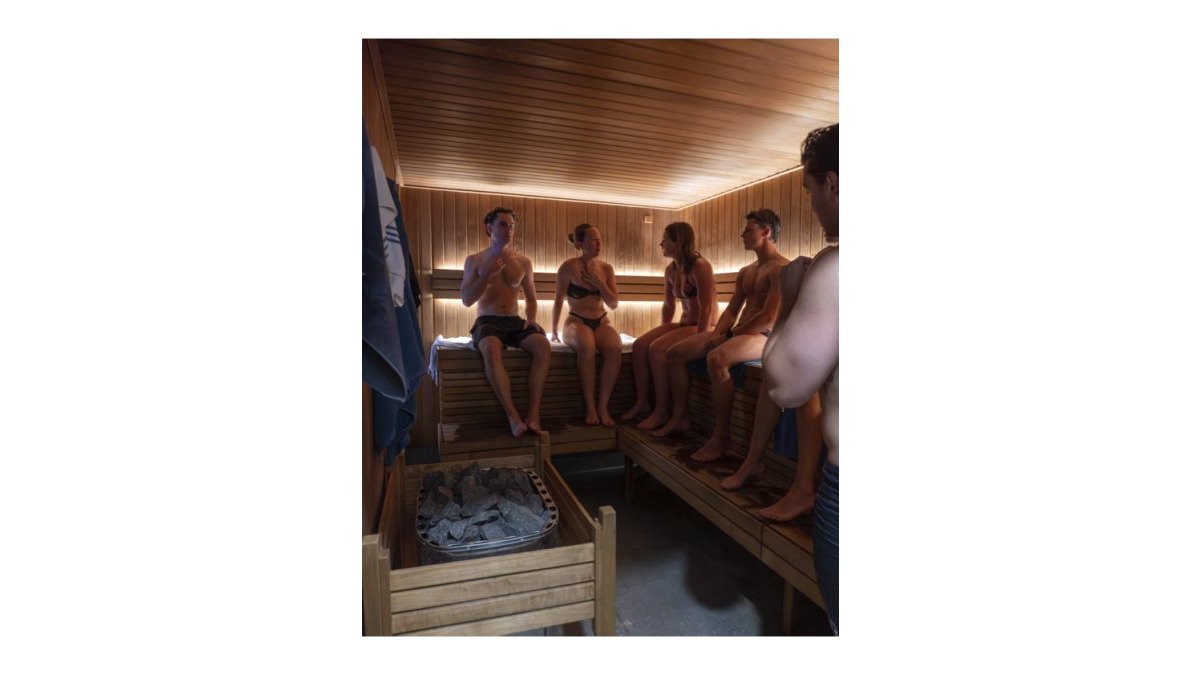
If you are living with chronic joint pain and want support, you do not have to figure it out alone. Our team can help you explore recovery options that fit alongside your exercise routine, including contrast water therapy, infrared sauna sessions and compression therapy.
Pricing depends on the service and the number of sessions, so please check our website or contact us directly for a current quote. To take the first step, contact us to ask questions or arrange an assessment, or book your appointment online when you are ready.
Arthritis Australia guide to exercise for joint pain
Australian Physiotherapy Association guidance on exercise and arthritis
Healthdirect guide to arthritis and exercise

Frequently Asked Questions
What exercises are best for chronic joint pain?
Low-impact movements tend to suit chronic joint pain best. Walking, swimming, cycling on a stationary bike, gentle yoga and Tai Chi all keep joints moving without heavy load. Start with short sessions at a comfortable intensity, and combine them with gentle range-of-motion work. Because every joint and diagnosis is different, speak with your GP or physiotherapist before starting a new routine, especially if you have recently had an injury or surgery.
Can exercise make chronic joint pain better?
For many people, regular gentle movement reduces stiffness and helps joints feel more mobile over time. Consistency matters more than intensity. Short, regular sessions are usually better tolerated than occasional hard workouts. Some soreness after activity is common, but sharp pain, marked swelling or pain that lasts well beyond a session is a signal to ease off and seek advice from a qualified health professional.
How often should I exercise if I have chronic joint pain?
A practical starting point is a few short sessions each week, building gradually as your joints allow. Many people find that daily gentle range-of-motion work combined with two or three longer low-impact sessions fits well. Keep a simple note of how your joints feel the next day, and adjust the frequency if symptoms flare. A qualified professional can help you set a routine suited to your condition.
Should I stop exercising if my joint pain gets worse?
If pain increases during exercise, stop that movement and reduce the load or range. Mild muscular effort is normal, but sharp, locking or escalating joint pain is not something to push through. On flare days, switch to very gentle movement or rest. If pain persists, worsens over several days, or comes with swelling, redness or instability, book a consultation with your GP or physiotherapist before continuing.

Comments