
Psychological Strategies for Athletes Recovering from Injury: A Step-by-Step Guide
Last Updated: November 28, 2026
Quick Summary
Psychological strategies for athletes recovering from injury include setting short, realistic goals tied to rehab milestones, logging small wins to counter frustration, and building confidence through graded exposure. These methods address the frustration, fear and isolation that come with time on the sidelines. Matching each strategy to your recovery phase helps your mind keep pace with your body.
Set goals for this week and the next phase, tied to function rather than a fixed return date.
Log small wins after each session to counter the feeling of standing still.
Rate your confidence from zero to ten before and after each return-to-sport step.
Use visualisation to rehearse skills, then practise them in training at controlled intensity.
Seek support from your GP or a mental health professional if low mood or withdrawal persists.
Table of Contents
Why the Mind Matters as Much as the Body in Injury Recovery
Most athletes focus on the torn muscle or the rebuilt joint. The mind gets far less attention, even though it shapes how well and how fast you come back. Psychological strategies for athletes recovering from injury help you handle the frustration, fear and isolation that come with time on the sidelines.

At RIGS Brookvale, we see recovery as a whole-person process. Our community of athletes, sports club members and local residents on the Northern Beaches shares a common experience: the body heals on one timeline, and confidence heals on another. Bringing both into line is what this guide is about.
Injury often brings a loss of routine and identity. Training gave you structure, a team and a purpose. When that disappears, low mood and restlessness are normal responses, not signs of weakness. Recognising them early makes them easier to manage.
How Do You Set Goals During Injury Rehabilitation?
Set short, realistic goals that move you forward one step at a time. Goals tied to each rehab milestone keep you engaged and show measurable progress, even when the big target feels far away.
Start with a goal for this week, such as completing every prescribed session.
Add a goal for the next phase, such as adding a set of load to a movement.
Keep a long-term goal, such as returning to training, but review it with your physio.
A common mistake is setting goals that depend on a fixed return date. Recovery rarely follows a calendar, so tie your goals to function and readiness instead.
Coping With Frustration During Injury Recovery
Frustration is one of the most common emotions in rehab, and it is also one of the most misunderstood. Slow progress, plateaus and setbacks can make you feel stuck, angry or defeated. Naming the feeling is the first step to managing it, but the second step is understanding why it shows up and what it is telling you.
Rigs Brookvale
Frustration usually spikes for three reasons: a mismatch between expected and actual progress, a loss of the routine and identity that training provided, and a sense that you are no longer contributing to your team or your goals. Recognising which of these is driving your frustration helps you choose the right response rather than just pushing through.
Try these approaches when frustration builds:
Log small wins in a notebook after each session. Record what you completed, not just what you missed. Over a week, this creates a visible record of progress that counteracts the feeling of standing still.
Separate the injury from your identity. Write down three things you can still do well, whether that is supporting teammates, mastering a rehab exercise or learning about your sport from a different angle.
Talk it through with a teammate, coach or family member who understands the process. A common pattern is that athletes under-report frustration because they do not want to seem weak, which isolates them further.
Use a short breathing routine before rehab sessions to settle your nerves. Slow breathing and brief body scans can lower tension and help you stay focused on the session rather than the outcome.
Ask your physio whether the pace is on track for your injury. Sometimes frustration comes from an unrealistic timeline rather than slow healing.
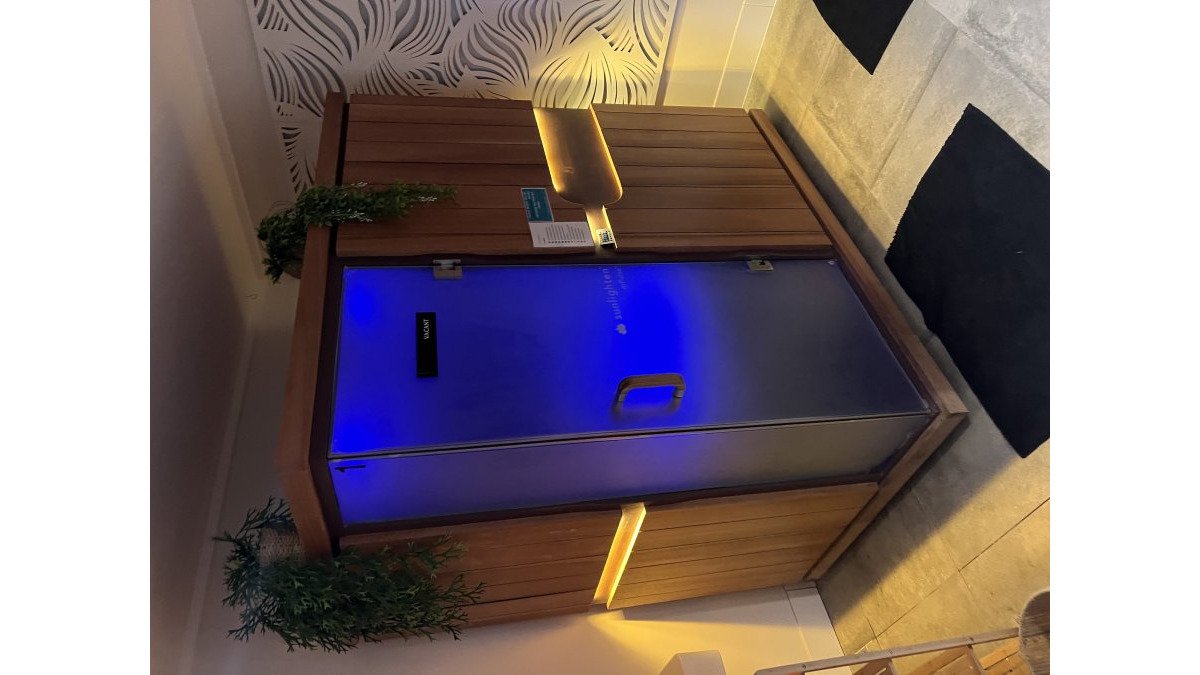
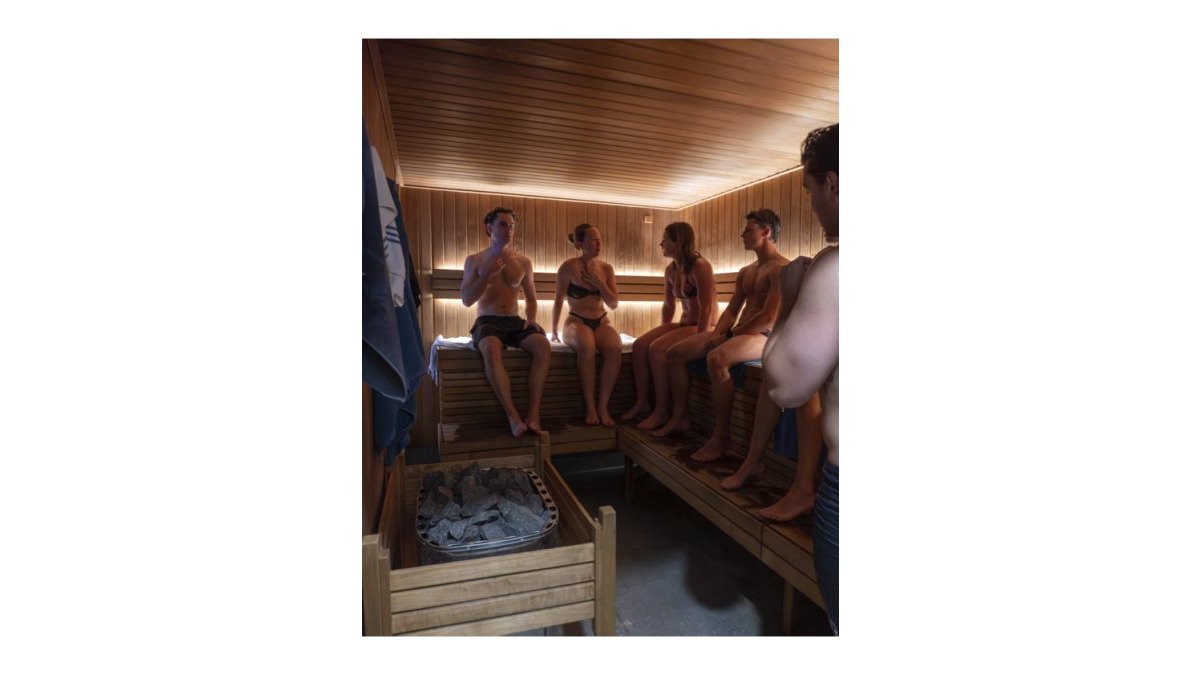
Our community at RIGS Brookvale is built around shared effort, and many athletes find that talking to others who are at a similar stage of recovery normalises the frustration and reduces the sense of isolation. If you are looking for a calm, low-effort way to unwind between sessions, you can explore the infrared sauna option that many members use during rehab.
Watch out: if frustration becomes persistent low mood, withdrawal from friends, loss of interest in daily life, sleep disruption or a sense that your identity has disappeared, these are signs that warrant support from your GP or a qualified mental health professional. Normal recovery concerns tend to ease as rehab progresses and you see measurable gains; significant distress tends to persist or worsen even when physical progress is being made. Knowing the difference matters, because mindset work supports recovery but does not replace clinical care when distress is significant.
Managing Fear of Re-Injury in Athletes
Fear of re-injury is one of the biggest barriers to returning to sport. You may hold back in training, flinch during contact or avoid movements you used to do without thinking.
Fear is natural, and it usually eases with exposure. If you want more reassurance about managing lingering discomfort, read our guide to managing chronic pain from old injuries. Gradual, supported exposure to the feared movement, guided by your rehab team, builds trust in your body. Visualisation can help too: picture yourself performing the skill smoothly and confidently, then rehearse it in training.
Coaches and teammates can help by encouraging progress without pressure and by talking openly about the fear rather than ignoring it.
A Phase-Based Mental Recovery Plan
Mental skills work best when they match the stage of your recovery. The plan below pairs each phase with the psychological focus that fits it.

Phase 1: Acute Injury and Early Rehabilitation
In the early stage, focus on acceptance, education and simple routines. Understand your injury and the expected timeline. Build a daily structure that includes rest, light activity and relaxation.
Key actions:
Learn what your injury involves and what recovery usually looks like.
Set one or two daily routines you can control.
Use relaxation methods to manage the initial shock and stress.
New to recovery therapies? Our guide on what to expect on your first contrast water therapy visit explains what to expect before you commit.
Phase 2: Progressive Loading and Rebuilding
As you start loading the injured area, your focus shifts to goal setting, confidence and managing fear. Track progress against your milestones and celebrate each one.
Key actions:
Review your weekly goals with your physio and adjust as needed.
Keep a simple progress log of load, pain response and mood.
Use visualisation to rehearse movements before you perform them.
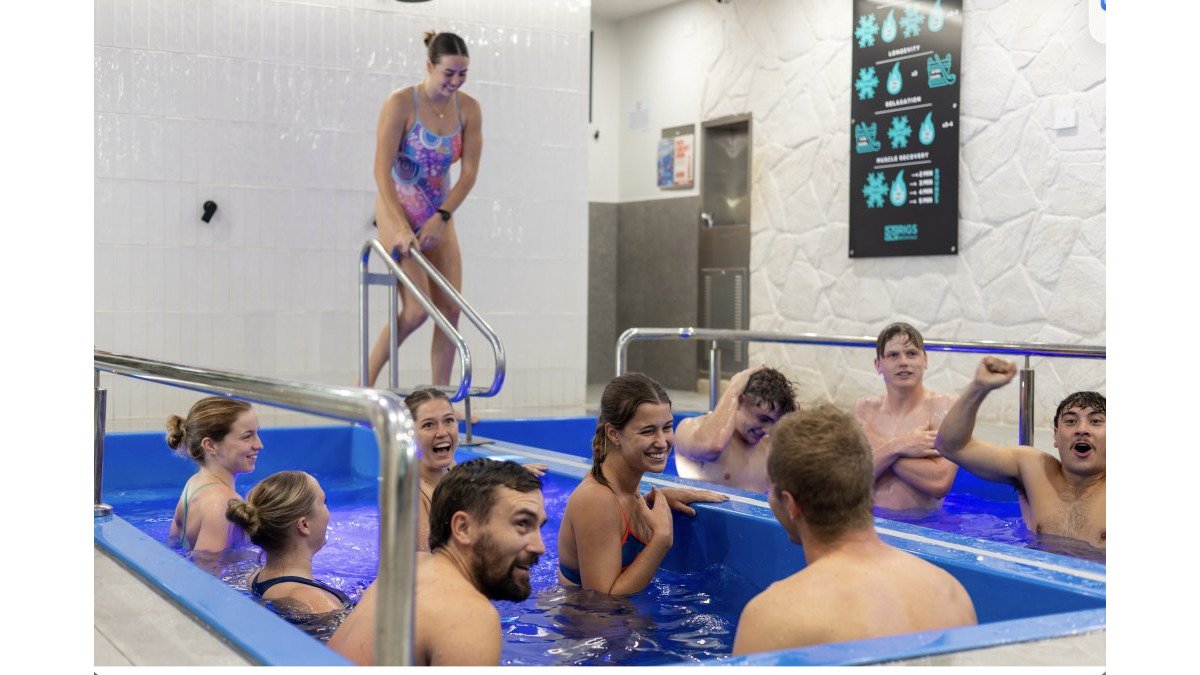
Readers rebuilding their training load may also want to learn about contrast water therapy as a way to support circulation during this phase.
Building Return to Sport Confidence
Return to sport is both a physical and a mental decision. Medical clearance confirms your body is ready, but confidence tells you whether you are ready to commit fully. Both matter, and the strongest return-to-sport plans treat them as separate checkpoints rather than assuming one follows automatically from the other.
Confidence is not a fixed trait you either have or lack. It is built through evidence, and the evidence comes from graded exposure, honest feedback and measurable progress. A practical way to build it is to rate your confidence before and after each step of your return-to-sport progression. Use a simple zero-to-ten scale, where zero is no confidence at all and ten is complete confidence. Record the rating alongside what you did that day, such as completing a full training session without symptoms or performing a contact drill at controlled intensity. Over several weeks, the pattern of ratings shows whether confidence is tracking upward with your physical progress or lagging behind it.
Set clear criteria for returning, such as completing a full training session without symptoms, passing a sport-specific movement screen, and tolerating match-intensity efforts in training. Check them off one by one rather than treating return as a single decision. This staged approach mirrors the phase-based plan above and gives you concrete evidence to weigh when nerves flare up.
Positive self-talk and visualisation can support this process, but they work best when they are tied to real rehearsal. Picture yourself performing the skill smoothly and confidently, then rehearse it in training at a controlled intensity. Coaches and teammates can help by encouraging progress without pressure and by talking openly about fear rather than ignoring it.
Watch out: if you find yourself avoiding training, experiencing persistent anxiety about reinjury that does not ease with graded exposure, or feeling that your confidence is falling even as your physical readiness improves, raise it with your sports physio or doctor before stepping back into competition. Our community at RIGS Brookvale is designed so that athletes can progress alongside others at similar stages.
Confidence is built through evidence, so each return-to-sport step is worth checking against clear criteria.
Checkpoint | What to check | How to record it |
Confidence rating | Rate confidence from zero to ten | Log it before and after each step |
Full training session | Completed without symptoms | Note the session and result |
Sport-specific movement screen | Passed | Mark pass or fail |
Contact drill | Tolerated at controlled intensity | Note intensity and response |
Match-intensity efforts | Tolerated in training | Check off when complete |
Your Next Step: Building Your Support Team and Booking a Consultation
Recovery goes better with support. Build a team that includes your physio, coach, teammates and, if needed, a mental health professional. Share your goals and concerns openly so everyone can help.
If you want to recover alongside others, group bookings let teammates train or recover together, which many athletes find motivating. Our community at RIGS Brookvale is built around that kind of shared effort. Speak with our team to talk through how we can support your next phase of recovery.
Frequently Asked Questions
How can athletes stay mentally strong while recovering from an injury?
Mental strength during recovery comes from routine, small measurable goals, and honest conversations with your support network. Keep training the parts of your sport you can still do, such as mental rehearsal, video review and tactical study. Track progress in a simple notebook so you can see improvement even when physical gains feel slow. If low mood, anxiety or isolation persist for more than a couple of weeks, speak with your GP or a registered psychologist. Many sports psychologists work with injured athletes directly, and your treating physiotherapist can help you find one.
How can athletes cope with fear of re-injury?
Fear of re-injury is a common and understandable response, and it often eases as you accumulate successful exposures to the movements you worry about. Work with your rehabilitation team to set clear criteria for when you are ready to progress, so that the decision rests on measurable readiness rather than gut feeling alone. Graded exposure, where you return to feared activities in small steps, helps rebuild trust in your body. If fear is stopping you from attempting training that your clinicians have cleared, a psychologist can help you address it directly.
When should an injured athlete seek help from a sports psychologist?
Consider seeking help if you notice persistent low mood, sleep disturbance, loss of interest in things you normally enjoy, withdrawal from teammates, or thoughts of harming yourself. These signs go beyond normal frustration and warrant prompt support. If you are in immediate danger, contact emergency services. In Australia, you can also contact Lifeline on 13 11 14 or Beyond Blue on 1300 22 4636 at any time. A GP can provide referrals to a registered psychologist, and your sporting body may have psychology services available.
Comments