
Can You Manage Delayed Onset Muscle Soreness Naturally?
Last Updated: November 8, 2026
Quick Summary
You can manage muscle soreness naturally with gentle movement, massage, heat and compression, which ease stiffness while the muscle repairs itself. Most soreness peaks around day two and settles by day three or four, so keep activity easy and prioritise sleep and protein.
Gentle movement like a 20 to 30 minute walk is the best-supported natural remedy for soreness.
Massage and foam rolling help most in the first two days; use two minutes per muscle group.
Heat eases stiffness, while cold blunts pain briefly but may slow the repair signal.
Aim for seven to nine hours of sleep and a palm-sized portion of protein at each meal.
Soreness still climbing on day four is worth checking with a qualified health professional.
Sore after every session?
We help Northern Beaches athletes recover faster with contrast therapy, saunas and compression.
Table of Contents
What Delayed Onset Muscle Soreness Actually Is
Delayed onset muscle soreness is the stiffness and tenderness you feel in a muscle 24 to 72 hours after exercise it isn't used to. It is not damage from a single moment. It is the normal response to exercise-induced muscle damage, and it settles on its own.
Someone smashes a new class, feels fine that night, then can barely sit down two days later. That lag is the giveaway. Pain that arrives late is usually soreness, not injury.
Why Unfamiliar and Eccentric Exercise Causes It
Eccentric exercise is the braking phase of a movement, like lowering a dumbbell or running downhill. Muscles handle more load lengthening than shortening, so the micro-damage is greater. Unaccustomed exercise matters just as much. A workout your body already knows rarely leaves you wrecked.
DOMS Recovery Time: When Soreness Starts and How Long It Lasts
Most people feel soreness within 24 to 48 hours, peak around the second day, and feel close to normal by day three or four. Recovery time stretches if the session was much harder than usual.
A few things push that timeline out:
A brand-new movement pattern
Heavy eccentric work, such as sprinting or downhill running
Returning after a break
Poor sleep and low food intake in the days after
Muscle soreness that is still climbing on day four is worth a second look with a qualified health professional. Normal soreness generally fades rather than building.
Muscle Soreness vs Injury: How to Tell the Difference
Soreness is broad, dull and symmetrical, and it eases with gentle movement. Injury is sharp, localised and often comes with swelling, bruising, or a loss of strength you can't push through.
Use this quick check:
Sign | Typical soreness | Worth getting checked |
Timing | 24-72 hours after training | Sudden, during the session |
Feel | Dull, spread across the muscle | Sharp, pinpoint, or tearing |
Strength | Reduced but usable | Can't bear load at all |
Movement | Loosens with gentle activity | Stiffens or locks up |
Other signs | None | Swelling, bruising, numbness |
If you're worried a niggle is more than soreness, our guide on how to speed up torn calf recovery walks through the warning signs in more detail. When in doubt, see a physiotherapist before you train on it.
How to Relieve Sore Muscles After a Workout: Remedies Ranked by Evidence
No remedy erases soreness. The honest ranking below reflects how well each option helps people move and feel better while the muscle repairs itself, and it separates approaches that may temporarily ease discomfort from those shown to support recovery. We also flag safety points so you can use these at home without overdoing it.

Gentle movement, the most reliable option. A walk or easy spin loosens stiffness and lifts mood. Evidence is strong for short-term comfort; it does not speed repair but helps you function.
Massage and foam rolling, good for short-term comfort and range of motion. Best in the first two days. Avoid deep pressure on swollen or bruised areas.
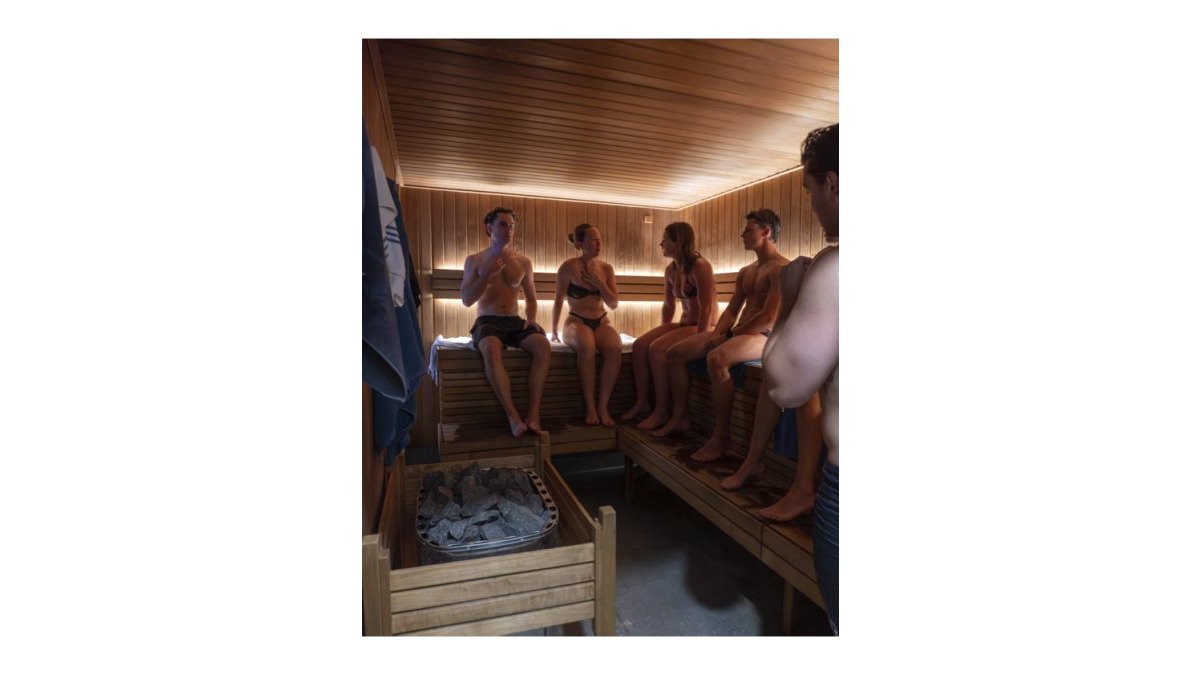
Heat, a warm bath or sauna eases stiffness and helps you relax. Useful for stiffness, but skip if you have numbness, open skin, or a condition affecting temperature regulation.
Compression, useful between sessions, especially for legs. Can reduce swelling and improve comfort; not a substitute for rest.
Cold water, blunts pain briefly but may slow the repair signal. Use for short-term pain relief, not as a recovery staple.
Stretching, feels good, does little for soreness itself. Avoid aggressive stretching to the point of pain.
Massage, Self-Massage and Foam Rolling
Massage helps most in the first two days. Keep pressure comfortable, not heroic. Foam rolling works best as a short routine: two minutes per muscle group, slow passes, and stop on anything that feels sharp. If you want a hands-off option, compression therapy covers the legs and arms evenly without you doing the work. Our community at RIGS Brookvale is a place where people share what works for them, including simple foam-rolling tips after sessions.
Watch out: avoid massage or foam rolling directly on a suspected injury, bruise, or area with swelling, as this can aggravate tissue.
Heat, Cold and Contrast Therapy
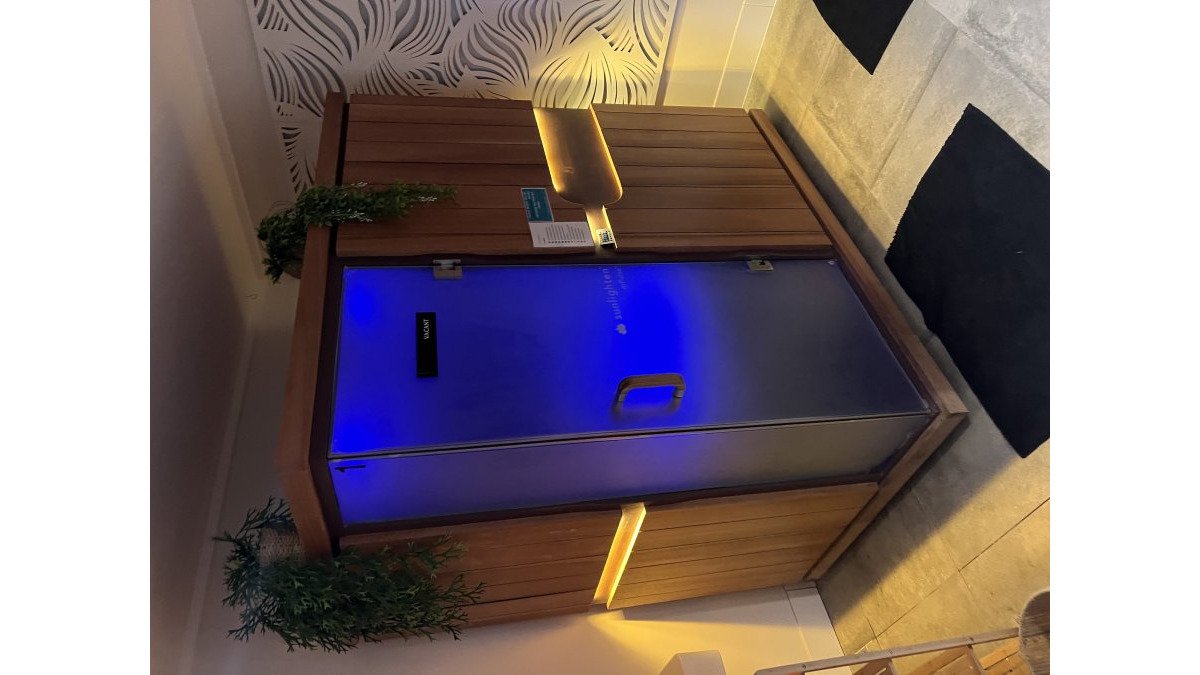
Heat wins for stiffness. Cold wins for short-term pain relief. Contrast therapy alternates the two, and many athletes find it the most pleasant way to loosen up after a heavy block. You can read more about contrast water therapy and the infrared sauna we run at the centre. Watch out: skip heat if you have numbness, open skin, or a condition that affects how you regulate temperature, and check with your GP first. Cold should not be used on areas with poor circulation or numbness.
What the Evidence Actually Says
Gentle movement, massage, heat and compression are commonly used to help people feel and move better in the short term, while the evidence for faster muscle repair is limited. Basics such as movement, sleep and food are the foundation of recovery, with other methods best used as comfort tools rather than cures.
Gentle Exercise for Muscle Soreness: What to Do and What to Skip
Gentle exercise is the best-supported way to manage muscle soreness naturally. Keep it easy, keep it short, and keep it away from the muscles you hammered.
Do this:
Walk for 20 to 30 minutes
Spin easy or swim laps at a talking pace
Move through light mobility drills
Train a different body part if you're keen to keep going
Skip this:
Another heavy session on the same muscles
Deep stretching to the point of pain
Long, hard runs while your legs are still tender
Low-intensity activity increases blood flow without adding damage. That's the whole trick.
A Timed Recovery Plan for the First 24 to 72 Hours
Here's how we'd structure the first three days after a hard session.
Window | What to do | Why it helps |
0-24 hours | Light walk, fluids, normal meals, early night | Starts blood flow and repair |
24-48 hours | Gentle movement, massage or foam rolling, warm bath | Eases peak stiffness |
48-72 hours | Easy mobility, compression, return to light training | Restores range and confidence |
Most people feel ready to train normally by day three or four. If you don't, add another easy day rather than pushing through.
Nutrition, Sleep and Training Load: The Recovery Factors Most People Skip
Sleep is the biggest lever, and it's free. Aim for seven to nine hours, and don't cut it short on the nights after hard training. A common pattern is that people focus on gadgets and forget that sleep and food do more for recovery than any device. Sleep and food should remain the foundation of recovery, while TresAdore can help you weigh whether an ice bath belongs in your routine.
Food matters too. Eat protein across the day, a simple guide is to include a palm-sized portion at each meal. Drink enough water, and replace electrolytes after hot, sweaty sessions. Overall energy intake matters as well: undereating slows repair. If you are unsure, a sports dietitian can help tailor this to your training.
Training load is the other one. Gradual progression beats hero sessions. Add volume or intensity in small steps, and plan an easy week every few weeks. This is where personalisation helps: beginners should prioritise consistency and sleep over extra recovery tools; experienced athletes can use contrast therapy and compression as adjuncts but still need the basics. If soreness is severe, scale back the next session rather than pushing through.
Our community at RIGS Brookvale values connection and shared support. Recovery is a habit built over time, and sharing practical tips on rest and routine is part of how we support one another.
Watch out: if you have a medical condition or are taking medication, check with your GP before making big changes to diet, supplements, or heat/cold exposure.
Book Your Recovery Session at RIGS Brookvale
Soreness is normal. Being flattened by it every week isn't.
If you want support with your recovery, the team at RIGS Brookvale can talk through options around your training. We offer contrast water therapy, infrared saunas, compression therapy and hyperbaric oxygen, plus an on-site cafe. You can see current options and book your appointment online.
Managing soreness is a skill, and like any skill it improves with practice. Start with sleep, food and gentle movement, add heat or massage at the peak, and get an injury checked early rather than guessing. Our doors are open when you want a hand with the rest.
Frequently Asked Questions
What is the fastest natural way to relieve DOMS?
There is no single fix that clears delayed onset muscle soreness overnight, but the quickest relief usually comes from combining gentle movement with hands-on treatment. A light walk or easy cycle raises blood flow, while massage or self-massage with a foam roller can ease muscle tenderness for a short period. Some people find a warm bath or contrast water therapy helps them feel looser. None of these shorten the underlying repair process much, so treat them as symptom management while your muscles recover over the following days.
How long does delayed onset muscle soreness usually last?
Soreness typically appears 12 to 24 hours after unfamiliar or intense exercise, peaks somewhere between 24 and 72 hours, and settles within three to five days. The exact DOMS recovery time depends on how hard the session was, how new the movement was and your current training status. If soreness is still worsening after four days, or has not eased after a week, that pattern is worth having assessed by a qualified health professional rather than waiting it out.
Should I exercise when my muscles are sore from DOMS?
Gentle exercise for muscle soreness is generally fine and often feels better than complete rest. Walking, easy cycling, swimming and light mobility work keep blood flowing without adding much load. What you should avoid is repeating the same hard eccentric session that caused the damage. Reduce intensity and volume for a day or two, keep the range of motion comfortable, and return to full training once muscle function and range of motion feel close to normal.
How can I tell the difference between muscle soreness vs injury?
DOMS is diffuse, felt across the whole muscle belly, appears hours after training and eases with gentle movement. An injury tends to be sharp and pinpoint, often starts at the moment of a specific movement, and may come with swelling, bruising, weakness or a joint that cannot bear load. If you cannot put weight through the limb, have visible swelling or lose range of motion suddenly, seek assessment from a qualified professional. Persistent or worsening pain also warrants a review.

Comments