
Common Mistakes to Avoid During Sports Recovery
Last Updated: November 24, 2026
Quick Summary
The most common mistakes to avoid during sports recovery are rushing back to training, ignoring pain signals, skipping rehab exercises, and following generic plans instead of an individualised one. These errors are common, and they often stretch out recovery timelines. Sports recovery works best when it is gradual and guided.
Increase training volume or intensity in small steps, not leaps, and log how you feel the next day.
Pain that lingers beyond 48 hours, swelling that returns, or a joint that gives way means hold your current load.
Use active recovery after hard sessions and passive recovery when you are genuinely fatigued or injured.
Track sleep, mood, and performance weekly, and take a deload week when several warning signs stack up.
Get medical clearance before full return to play and share your phased checklist with your coach.
Ready to recover smarter, not harder?
We help local athletes repair, recover and rejuvenate with guided recovery therapies and a welcoming community.
Table of Contents
What are the most common mistakes to avoid during sports recovery?
The most common mistakes to avoid during sports recovery are rushing back to training, ignoring pain signals, skipping rehab exercises, and following generic plans instead of an individualised one. These errors are common, and they often stretch out recovery timelines. Sports recovery is the structured process of restoring strength, mobility, and confidence after injury or hard training, and it works best when it is gradual and guided.
Most athletes get hurt twice: once on the field, and once in the weeks after, when impatience takes over. Below, we break down the mistakes we see most often and exactly how to correct each one.
Rushing your return to sport and doing too much too soon
The biggest mistake is treating recovery as a race against the calendar rather than a response to your body. Tissue heals on its own schedule, and training load that climbs faster than your body can adapt is how re-injury happens.
A common trap is comparing yourself to teammates or to your pre-injury self. A better approach is progressive loading: add small amounts of training stress, then check how your body responds over the next day or two.
How to correct it:
Increase training volume or intensity in small steps, not leaps
Keep a simple log of what you did and how you felt the next day
Use rest days as part of the plan, not as a failure
Let pain and function guide you, not the fixture list
If you are unsure whether you are truly ready, read about the signs you are ready to return to sport after injury before you lace up again.
Ignoring pain signals and skipping your rehab exercises
Pain is information, not an inconvenience to push through. Rehab exercises are the actual treatment; they rebuild strength, range of motion, and control in the injured area. Skipping them because they feel boring is one of the most reliable ways to relapse.
Rigs Brookvale
Watch out: stopping rehab the moment pain fades is a classic error. Pain often settles before tissue is strong enough for full sport-specific demands, so the work needs to continue well past the point where you feel fine.
The harder skill is telling apart the soreness that is a normal part of loading from the pain that means something is wrong. It can be useful to separate symptoms into three rough bands rather than treating all pain the same.
Expected soreness is familiar, broad, and settles within a day or two. It usually appears in the muscle you worked, eases with gentle movement, and does not change how you walk or lift. This is the soreness that belongs inside a progressive plan.
Caution symptoms are sharper, more localised, or slower to settle. They may include pain that lingers beyond 48 hours, swelling that returns after each session, a limp, or a joint that feels unstable or gives way.
Urgent assessment symptoms warrant prompt medical review rather than another rehab session.
How to correct it:
Treat rehab exercises like training sessions you cannot miss
Track range of motion, strength, and control, not just pain levels
Use a simple daily note: where the pain was, how sharp, and how long it took to settle
Report new or worsening pain to your clinician rather than self-adjusting
Follow professional guidance on when to progress each exercise, and ask what functional milestones sit between each stage
Sharing these notes with a clinician and coach can help keep everyone reading from the same page.
The benefits of contrast water therapy for a structured recovery
Contrast water therapy is the alternating use of warm and cold water immersion to support circulation and muscle recovery. Contrast water therapy is often described as supporting a structured routine for recovery.
In practice, this means moving between warm and cool water in a controlled sequence under guidance. Some athletes report feeling looser and more ready to train, and it can complement rehab exercises rather than replace them.

RIGS Brookvale offers contrast water therapy at our centre. If you want the detail first, our guide on the benefits of contrast water therapy explains how to do it correctly.
Understanding active recovery vs passive recovery
Active recovery vs passive recovery comes down to movement versus rest. Active recovery uses low-intensity movement, such as walking, easy swimming, or mobility work, to promote blood flow. Passive recovery uses complete rest, such as sleep, elevation, or simply doing nothing.
Neither is better in every situation. Hard training blocks often benefit from active recovery on off days, while acute injury and the early rehabilitation phase usually call for more passive rest. The skill is knowing which one your body needs today, and that decision is easier when you track a few simple signals rather than guessing.
How to choose on the day:
If you slept well, feel generally fresh, and have only mild, familiar soreness, easy active recovery is usually appropriate
If you are genuinely fatigued, slept poorly, or have a joint that feels swollen or unstable, lean towards passive recovery
After an acute injury or in the early rehab phase, follow your clinician's guidance and default to passive rest
Keep active recovery easy; it should never feel like another training session
Tracking training load and recovery: A practical way to make these choices less arbitrary is to log three things each week: what you did (volume and intensity), how you felt the next day, and how you slept. A common pattern is that a spike in load shows up as poorer sleep and heavier legs two days later, which is the point to insert passive recovery rather than another hard session. Many practitioners also use a simple session rating of perceived exertion multiplied by minutes to estimate weekly load, which makes gradual progression visible instead of remembered.
Communication and coordination: Recovery decisions work best when the athlete, clinician, and coach share one plan. Agree in advance what training modifications apply during each phase, who signs off on clearance, and what symptoms trigger a step back. This shared-plan approach prevents the common situation where a coach pushes load while a clinician is still protecting tissue.
How to correct it:
Use active recovery on days after hard sessions
Choose passive recovery when you are genuinely fatigued or injured
Build both into a written weekly plan and review it honestly
Share that plan with your coach and clinician so training load and clearance decisions stay aligned
A shared weekly plan can make recovery feel less like guesswork. For a structured approach that balances the two, see our guide on building a personalised sports recovery protocol.
Recognising the signs of overtraining syndrome before you relapse
The signs of overtraining syndrome include persistent fatigue, declining performance, disturbed sleep, irritability, and a resting heart rate that stays elevated. These signals often appear gradually, which is why athletes miss them until performance drops sharply.
Mental health matters here too. Low mood, loss of motivation, and feeling flat about your sport are genuine warning signs, not weaknesses. Listening to your body means acting on these signals early.
How to correct it:
Track sleep, mood, and performance in a simple weekly note
Take a deload week when several warning signs stack up
Prioritise hydration, nutrition, and cool-down routines
Speak to a clinician if fatigue does not settle with rest
Building your phased return-to-sport checklist with professional guidance
A phased return-to-sport checklist turns vague hope into measurable progress. Work through it with your physical therapist or clinician, and coordinate with your coach so everyone is working from the same plan. A staged return-to-sport plan also helps you pace training and recovery, so each increase in activity builds on progress without rushing the next step.
Phase | Focus | Green Light to Progress |
1. Restore | Pain management, range of motion | Daily tasks pain-free |
2. Rebuild | Strength, mobility, movement imbalances | Symmetrical strength and control |
3. Recondition | Whole-body conditioning, warm-up and cool-down habits | Full training load tolerated |
4. Sport-specific | Sport-specific demands, functional progress | Skills performed at full speed |
5. Return | Medical clearance, confidence, monitoring | Cleared by your clinician |
How to correct it:
Get medical clearance before full return to play
Ask your clinician what functional progress looks like for your injury
Share the plan with your coach to manage training load
Review the checklist weekly and adjust honestly
Recovery also differs by injury type and sport. ACL rehabilitation, for example, follows a longer timeline than a minor calf strain, and a return to a sport with pivoting and landing demands needs more caution than a straight-line running sport.
Book your recovery session and join our community
Recovering well is easier when you are not doing it alone. Book your recovery session and join our community. Our community of local athletes, gym-goers, and active professionals shares the goal of getting back to what they love.
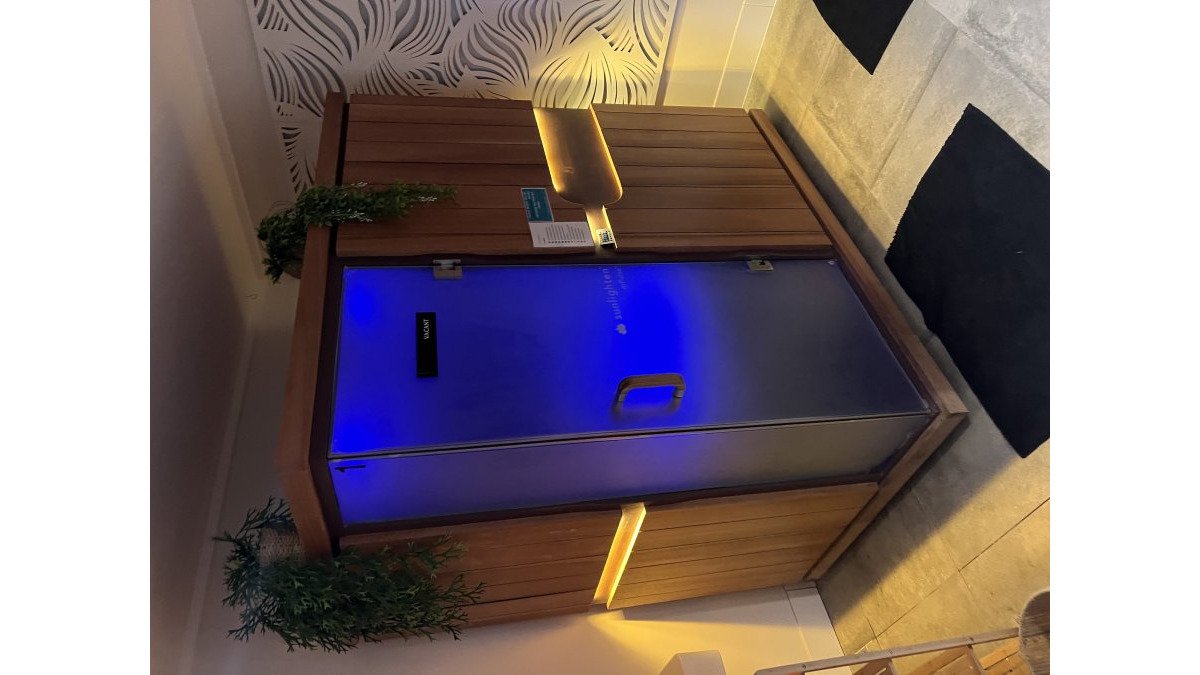
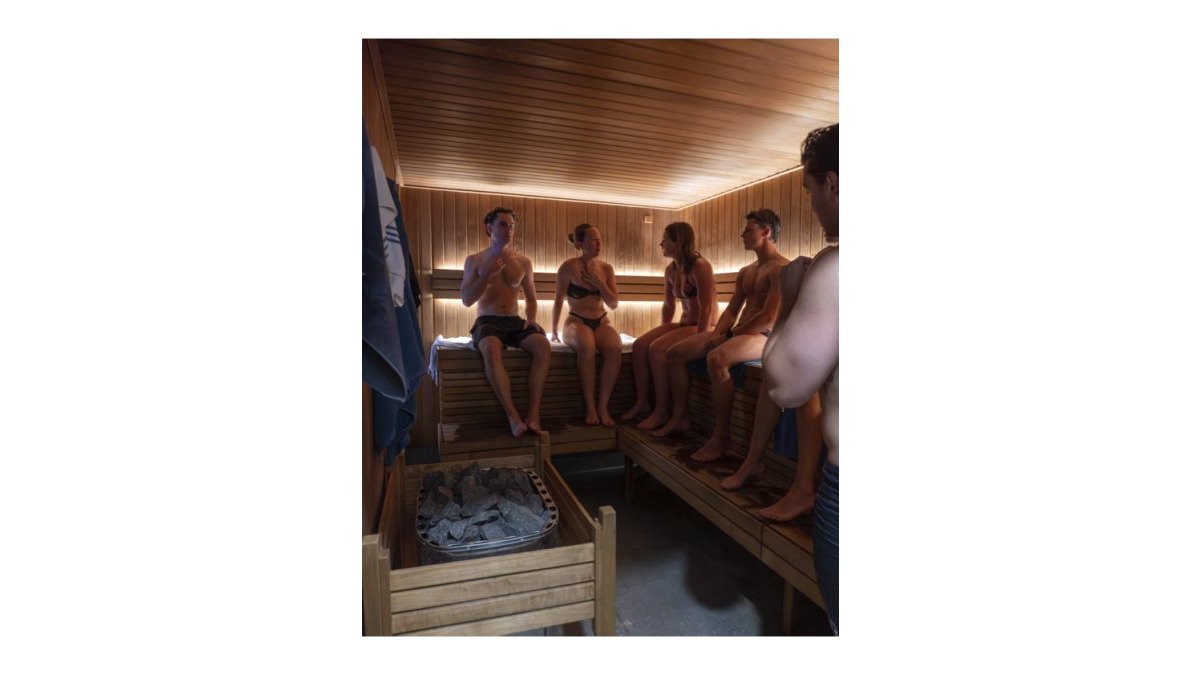
At RIGS Brookvale, we support your physical recovery with contrast water therapy, hyperbaric oxygen chambers, and infrared saunas, all in a welcoming space with an on-site cafe. Our expert team is glad to talk through how a session might fit your rehab plan.
The challenge is simple: stop guessing and start recovering with structure. At RIGS Brookvale, we help you repair, recover, and rejuvenate with contrast water therapy, hyperbaric oxygen chambers, and infrared saunas, guided by a team that cares about your progress. Get started with RIGS Brookvale and give your body the recovery it has earned.
Frequently Asked Questions
Why is active recovery better than complete rest?
Complete rest can cause muscles to stiffen and reduce blood flow to healing tissue. Active recovery, such as gentle walking, swimming, or light cycling, keeps blood moving and helps clear waste products while maintaining range of motion. It also supports your mental health by keeping you connected to movement. The key is keeping intensity low so you do not overload the injury. Pair active recovery with professional guidance and modalities like contrast water therapy to support circulation without stressing the injured area.
How does poor sleep affect sports injury recovery?
Sleep is when your body releases growth hormone and repairs damaged tissue. Consistently getting less than seven to eight hours can slow muscle recovery, reduce pain tolerance, and impair your coordination, which raises the risk of re-injury. Poor sleep also affects mood and confidence, making it harder to stick to your rehabilitation phase. Prioritise a consistent sleep schedule, limit screens before bed, and treat rest days as seriously as training days to give your body the best chance to heal.
What are the signs of overtraining syndrome in athletes?
Watch for persistent fatigue that does not improve with rest, a drop in performance despite harder training, disturbed sleep, irritability, and a resting heart rate that stays elevated. You may also notice more frequent colds or lingering muscle soreness. These signs mean your training load has outpaced your recovery. If you spot them, reduce intensity, add rest days, and speak to a clinician. Ignoring these signals is one of the most common mistakes to avoid during sports recovery.
How long should you wait before returning to high-intensity training?
There is no single timeline because it depends on your injury type, sport-specific demands, and how well you progress through rehabilitation. A physiotherapist or sports doctor should clear you based on functional progress, not just pain disappearing. As a general guide, you need full range of motion, strength matching the other side, and the ability to complete sport-specific movements without pain before adding high intensity. Rushing this phase is a leading cause of re-injury.

Comments