
How to Build a Personalized Sports Recovery Protocol
Last Updated: November 15, 2026
Quick Summary
A sports recovery protocol is a planned mix of sleep, nutrition, movement and therapy that helps your body rebuild between sessions, built around your own training load, age, injury history and competition schedule. Start by tracking your baseline for two weeks, then lock in sleep, nutrition and hydration before adding recovery methods that fit your week.
Track sleep, soreness, energy, niggles and hard sessions for two weeks before changing anything.
Sleep comes first because nothing else compensates for a shortfall.
Match recovery methods to the demand: refuel after endurance work, protein and gentle mobility after strength work.
Split your post-workout routine into time windows, starting with a cool-down walk and fluids in the first 30 minutes.
Review your checklist weekly and the full protocol every four to six weeks, or sooner if your schedule changes.
Ready to build your recovery plan?
RIGS Brookvale offers contrast therapy, saunas and physiotherapy to support your recovery.
Table of Contents
Why Your Recovery Protocol Should Be Personal
A sports recovery protocol is a planned mix of sleep, nutrition, movement and therapy that helps your body rebuild between sessions. Generic advice rarely fits one person, let alone a whole training group. Two athletes with the same soreness often need two different plans, and our community on the Northern Beaches sees this regularly.
Your training load, age, injury history and competition schedule all change what recovery should look like. Copying a teammate's routine can leave you under-recovered or overdoing therapies you don't need. The fix is to build a plan around your own body and week.
Below, we'll show you exactly how to do that in five steps, plus how to track whether it's working.
The Four Pillars of Recovery
Every sound recovery plan rests on four supports. Get these right before adding anything else:
Sleep: the main window for tissue repair and hormone reset
Nutrition: enough calories, protein and carbohydrate to fuel repair
Hydration and fluid replacement: supports circulation and temperature control
Active recovery and load management: gentle movement and sensible training volume
Therapy services sit on top of these pillars. They help, but they cannot replace the basics.
Step 1: Assess Your Training Load and Recovery Baseline
Start by writing down what your week actually looks like. Note your sessions, their length, their intensity and how you feel the next day.
A simple baseline check covers five things:
Hours of sleep per night
Muscle soreness on waking, rated out of 10
Energy levels before training
Any niggles or old injuries that flare up
How many hard sessions you do weekly
Most people overestimate their recovery. A common mistake is judging recovery by one good night's sleep instead of a full week's pattern.
Track this for two weeks before changing anything. That baseline tells you where the weak link sits.
Step 2: Lock In Sleep, Nutrition and Hydration
Sleep comes first because nothing else compensates for a shortfall. Aim for a consistent bedtime and a dark, cool room. Keep screens out of the last half hour.
Nutrition and fluid intake do the repair work that sleep starts. You don't need a strict diet, just enough of the right things at the right times.
Carbohydrate, Protein and Fluid Targets
Exact targets depend on your body size and training demands, so treat these as general guides:
Carbohydrate: include a portion at each main meal and around hard sessions to refill energy stores
Protein: spread it across the day rather than loading it all into one meal
Fluid: drink to thirst and check urine colour; pale yellow is a good sign
Electrolytes: useful after long or hot sessions when sweat losses are high
For individual needs, ask a qualified dietitian. General guidance is a starting point, not a prescription. The Australian Institute of Sport nutrition guidance is a practical local reference for fuelling and hydration.
Step 3: Choose Sports Recovery Methods That Fit Your Week
The best sports recovery methods are the ones that fit your sport, your week and your body. Rather than picking from a menu, run each option through four filters: what your session stressed, how much time you have before the next one, what you can access, and whether anything in your history makes it unsafe.
Match the Method to the Demand
Different sessions leave different residue. A long endurance effort depletes fuel and fluid stores and leaves you hot; a heavy strength session leaves localised muscle damage and stiffness; a team-sport match combines both with collisions and sprint loads. Use that to prioritise:
After endurance work: fluid and carbohydrate replacement first, then easy movement and sleep. Cold-water immersion is one option some athletes use for comfort, but it is not a substitute for refuelling.
After heavy strength work: protein spread across the day, gentle mobility, and sleep. Some athletes use massage or foam rolling for comfort; keep pressure moderate in the first day.
After team-sport or competition: combine the above, and protect sleep. Compression garments are one option some athletes wear for travel and after sessions.
On rest days: active recovery such as easy walking, swimming or cycling supports circulation without adding load.
Weigh Time, Access and Cost
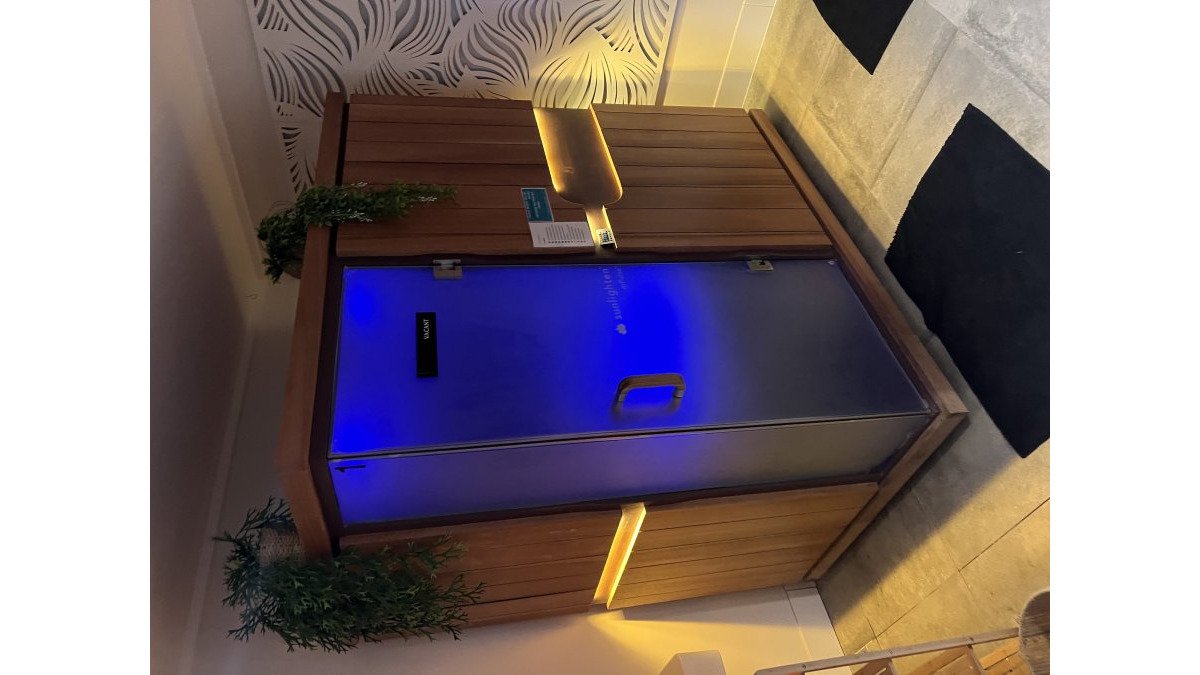
A minimum-effective plan needs no equipment: a cool-down walk, water, a balanced meal, a short stretch and an early night. Add clinic-based or equipment-based options only when they solve a specific problem you have identified. Compression garments suit travel and post-session wear, and contrast water therapy alternates warm and cool water, so it is best planned around your schedule rather than squeezed in. If you are weighing options, you can read more about compression therapy and contrast water therapy to see how each fits a busy week. For relaxation-focused recovery, an infrared sauna session is another option to explore.
Know When a Method Is Not Appropriate
Watch out: cold-water immersion and cryotherapy may not be appropriate if you have circulatory problems, open wounds or a history of cold sensitivity, and heat therapy or sauna should be discussed with a health professional if you are dehydrated, unwell or pregnant. Compression garments should not be worn over an acute injury without assessment. If pain is sharp, a joint gives way, or swelling is rapid, stop self-treatment and seek professional assessment.
Our community at RIGS Brookvale is built around this kind of practical decision-making: locals who train hard, share what works, and treat recovery as part of the program. Our community values testing a method against your own week rather than copying someone else's routine.
Step 4: Build a Post-Workout Recovery Routine by Time Window
A post-workout recovery routine works best when it's split into time windows. Small actions at the right moment beat a single big effort later.

Here's a simple template you can adapt:
Time window | Action | Why it helps |
First 30 minutes | Cool-down walk and fluids | Eases heart rate down and starts rehydration |
1-2 hours | Balanced meal with carbs and protein | Supports muscle repair |
Same evening | Light stretch and early bedtime | Aids sleep quality |
Next morning | Easy movement and mobility | Reduces stiffness |
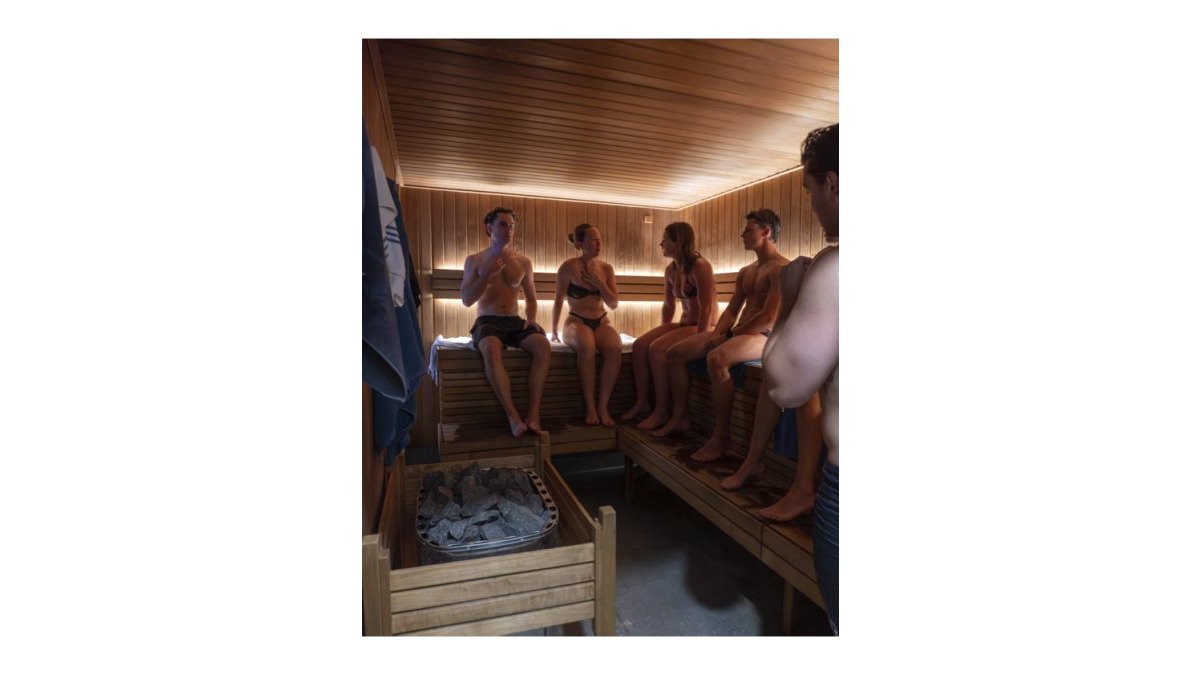
Rest day | Walk, swim or sauna session | Supports circulation and relaxation |
Adjust each window to your training demands. Athletes with a heavy competition schedule may need more frequent, shorter recovery blocks.
Step 5: Use an Athlete Recovery Checklist to Track Progress
An athlete recovery checklist turns guesswork into data, but the value is in the decision rule, not the list. Keep the check-in short enough to complete daily, then review it weekly against your baseline.
The Daily Check-In
Hours slept last night
Soreness rating out of 10
Energy before training
Fluid intake and urine colour
Protein and carbs at each meal
Recovery session completed
Mood and stress level
The Weekly Decision Rule
Compare the week to your two-week baseline from Step 1. A common pattern is that one or two measures drift while the rest hold steady. Use that pattern to decide:
If soreness stays high and energy stays low for more than a week: ease training load and protect sleep before adding more therapy.
If sleep is short but soreness is manageable: fix sleep first; nothing else compensates for a shortfall.
If mood and stress are the outliers: prioritise relaxation-focused recovery and a lighter session rather than more intense modalities.
If everything is steady: maintain the plan and resist adding treatments you do not need.
Adjusting Over Time
Review the checklist weekly and the full protocol every four to six weeks, or sooner if your competition schedule changes. Athletes with short turnarounds between events may need to review daily rather than weekly. A plan you never review is just a wish list; a plan you review against your own data becomes a protocol.
Our community at RIGS Brookvale shares this habit: locals who train hard, compare notes on what is working, and treat recovery as part of the program. Our community can help you set up a check-in that fits your week.
When to Bring in Physiotherapy for Sports Recovery
Physiotherapy for sports recovery is worth considering when pain persists, movement is limited, or an old injury keeps flaring. It's also useful if you're returning after surgery.
Watch out: pushing through sharp pain or a joint that gives way is a sign to stop and get assessed, not to add more therapy.
A physiotherapist can assess your movement, identify the cause of recurring soreness and build a rehab plan alongside your recovery routine. Our team can support this through in-house physiotherapy, working with you on a plan that fits your training.
General information only: if you have a new or worsening injury, see a qualified health professional for a proper assessment.
Book Your First Recovery Session at RIGS Brookvale
Recovery is a skill, and like any skill it improves with the right environment and people around you. Our community at RIGS Brookvale is built for exactly that: locals who train hard, support each other and treat recovery as part of the program, not an afterthought.
We offer contrast water therapy, hyperbaric oxygen chambers, infrared saunas and compression therapy, plus an on-site cafe for the meal after your session.
You can book your appointment and check current pricing on our website.
Building a sports recovery protocol that actually sticks takes more than a checklist; it takes a space where recovery feels worth showing up for. That's the value we bring: a welcoming centre, a team that knows its therapies, and a community that keeps you accountable. Start with contrast water therapy or an infrared sauna session, add physiotherapy if you need it, and let us help you recover smarter.
Frequently Asked Questions
How do you create a personalized sports recovery protocol?
Start by logging your training load, sleep and soreness for two weeks so you have a baseline. Then build the four pillars into your week: consistent sleep, enough carbohydrate and protein, steady hydration, and low-intensity movement on easy days. Add therapies such as contrast water therapy or infrared sauna where they fit your schedule and budget, and review the plan every few weeks against how you actually feel and perform.
Can recovery therapies replace sleep, nutrition and rest?
No. Sleep, nutrition and rest are the foundation of any sports recovery protocol, and no sauna, compression sleeve or hyperbaric chamber substitutes for them. Therapies work best as add-ons that support a body already getting adequate calories, protein, fluid and sleep. If your sleep is short or your intake is low, fix those first, then use recovery services to top up rather than to compensate.
When should an athlete see a physiotherapist about recovery?
See a physiotherapist if pain persists beyond a few days, if you cannot bear weight or complete normal training, if swelling or bruising worsens, or if an old injury keeps flaring. Physiotherapy for sports recovery can assess the cause, guide loading and rehab, and flag anything needing medical review. Persistent or severe symptoms deserve a professional assessment rather than more home recovery.
How long should recovery take after a workout?
Most muscle soreness eases within 24 to 72 hours after a hard session, depending on the training demand, your fitness and how well you sleep and eat. If soreness or fatigue lingers past about three days, or performance keeps dropping, treat it as a signal to reduce training load and review your athlete recovery checklist. Recovery timing varies by individual needs and competition schedule.

Comments