
How to Choose the Best Wellness Centre for Recovery
Last Updated: November 4, 2026
Quick Summary
Choose the best wellness centre for recovery by comparing the range of therapies offered under one roof, whether staff are qualified to guide each session, and if there is a clear first-visit process. Start with a casual session before committing to a membership, and pick a place with a welcoming community.
A recovery centre supports the body between physiotherapy appointments by managing soreness, circulation and stress.
Contrast water therapy alternates warm and cold immersion and is guided by a trained staff member.
Pregnant people or those with heart conditions should speak to a doctor before trying contrast therapy.
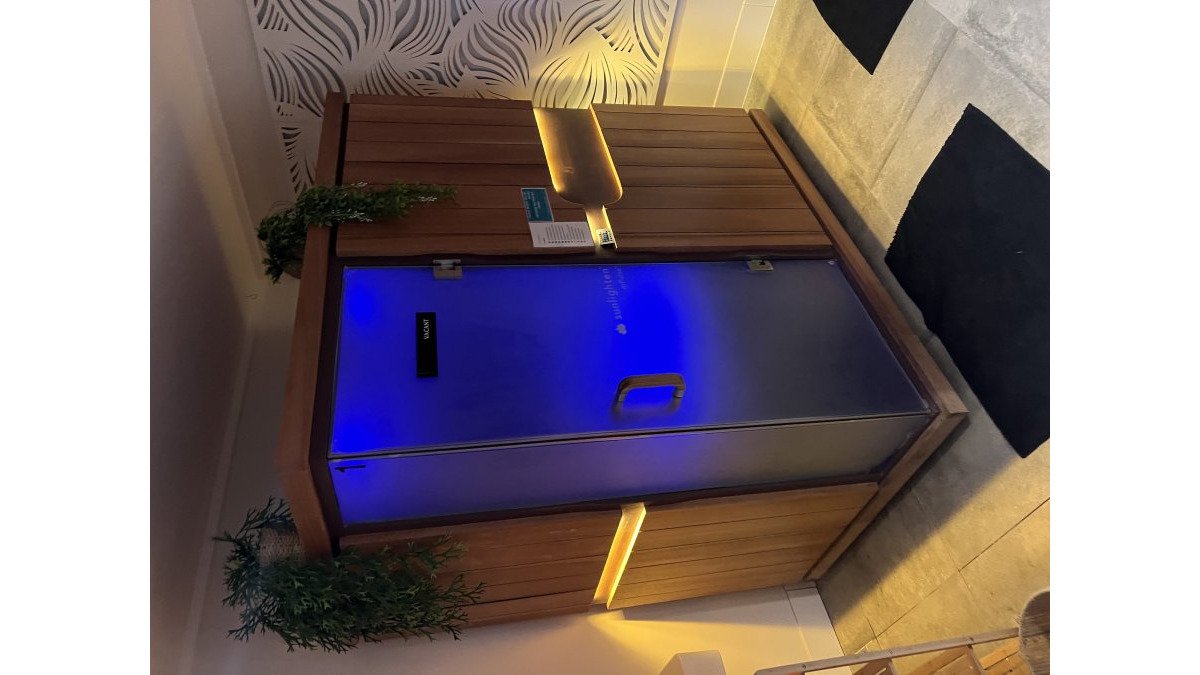
Infrared sauna recovery uses radiant heat to warm the body directly rather than heating the air.
Start with a casual session or trial before committing to a membership to confirm the centre suits you.
Table of Contents
What Makes a Wellness Centre the Best Choice for Recovery
Choosing the best wellness centre for recovery comes down to three things: the range of therapies under one roof, how those therapies are programmed for your body, and whether the place feels like somewhere you belong. A wellness centre that offers guided recovery services is different from a gym with a sauna in the corner. At RIGS Brookvale, we have built our recovery studio around a simple idea: recovery works best when it is structured, supervised, and shared with people chasing the same goals.
Cold water, heat, and compression are tools. The difference between a casual soak and a structured recovery session is the protocol around it.
Below, we break down how to compare your options, what each therapy actually does, and how to know a centre is right for you.
Recovery Centre vs Physiotherapy: Understanding the Difference
A recovery centre and a physiotherapy clinic do different jobs, and the best outcomes often come from using both. Physiotherapy is clinical treatment: assessment, diagnosis, hands-on therapy, and exercise prescription for an injury. A recovery centre supports the body between those appointments with therapies that help manage soreness, circulation, and stress.
Think of it this way. Your physio builds the rehab plan. A recovery centre helps your body tolerate that plan.
Many of our members see a physio for a specific injury and use our studio to manage general muscle soreness, DOMS after heavy training, and the day-to-day stiffness that comes with an active life. The two services complement each other rather than compete.
If you are unsure which you need, start with a physio for any acute injury. Once you have a plan, a recovery centre can slot in around it.
How Contrast Water Therapy Supports Faster Recovery
Contrast water therapy alternates between warm and cold water immersion. Sessions are guided by a trained staff member, especially on your first visit.
Watch out: Contrast therapy is not appropriate for everyone. If you are pregnant, have uncontrolled high blood pressure, a heart condition, or a history of blood clots, speak to your doctor before trying it. The same applies if you have open wounds or a fever. A good centre will screen you before your first session and adjust the protocol accordingly.
Our team walks first-timers through the protocol so the session is comfortable and effective. We also explain how contrast therapy fits alongside other therapies in your routine, and how to use it safely if you are managing a chronic condition.

Integrating these thermal cycles into a consistent routine often necessitates a higher standard of facility management, which becomes a primary consideration when
for a comprehensive healing experience.
If you want to see exactly what a session involves before your first visit, you can discover Contrast Water Therapy and what to expect on the day.
The Role of Infrared Sauna Recovery in Your Routine
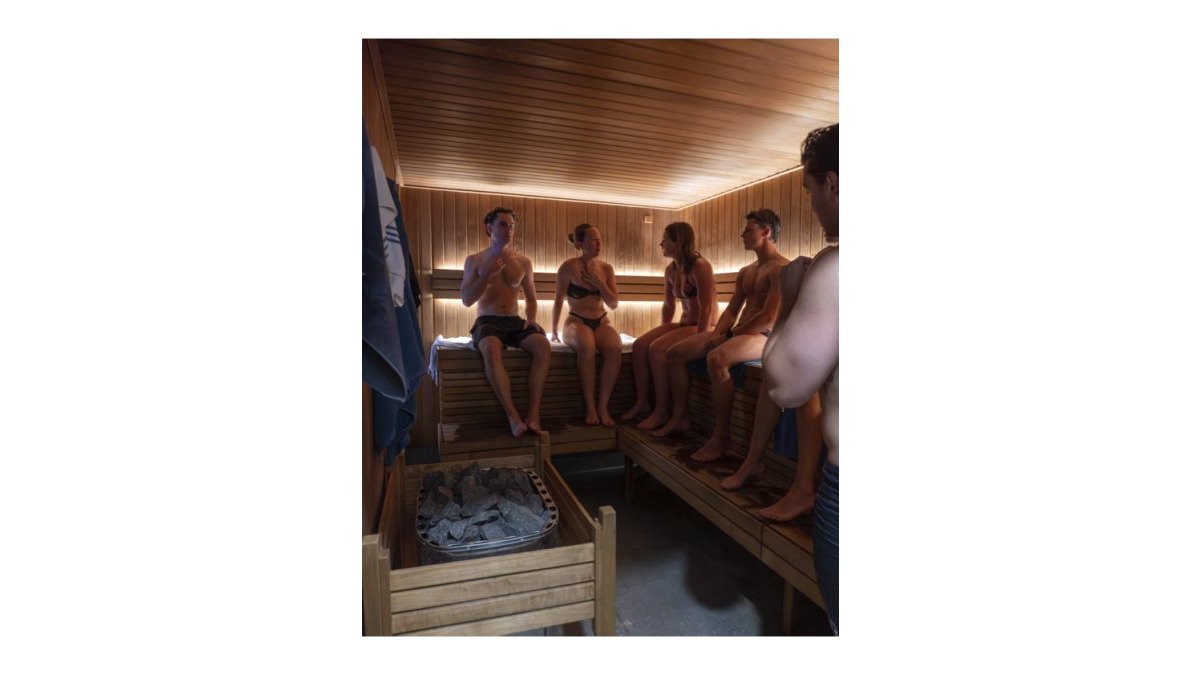
Infrared sauna recovery uses radiant heat to warm the body directly rather than heating the air around you. Many people find it a comfortable way to wind down after a hard week. It also gives you a quiet, phone-free window to decompress, which matters as much as the physical benefits for anyone managing a busy training and work schedule.
Rigs Brookvale
Where it fits in your routine depends on your goals. Some members use it after a session to relax; others use it on rest days as a standalone reset. The key is consistency rather than intensity. If you want the full picture of how the service runs, you can explore the infrared sauna offering and how to book.
How to Choose a Recovery Centre That Fits Your Needs
Choosing a recovery centre is easier when you compare on the things that actually affect your experience, not just the brochure. Here is a checklist we would use ourselves:
Does the centre offer more than one therapy, so you are not driving between providers?
Are staff qualified to guide you through each therapy, not just hand you a towel?
Is there a clear first-visit process for people who have never done this before?
Can you try it before committing to a membership?
Does the space feel welcoming, or does it feel clinical and cold?
Is there a community around it, or is it a transactional drop-in?
A centre that scores well on all six is usually the right one. If you are a first-timer, you can read what to expect on your first visit so nothing feels unfamiliar.
Here is the checklist we would use ourselves when comparing recovery centres.
What to check | Why it matters |
More than one therapy offered | You are not driving between providers |
Staff qualified to guide each therapy | Not just handed a towel |
Clear first-visit process | For people who have never done this before |
Try before committing | Test the centre before a membership |
Welcoming space | Not clinical and cold |
Community around it | Not a transactional drop-in |
Understanding Pricing and Membership Options at a Wellness Centre
Pricing at a wellness centre usually comes in three shapes: casual single sessions, multi-session packs, and weekly or monthly memberships. Each suits a different rhythm. Casual sessions work if you visit occasionally. Packs suit people who want a set number of visits without a recurring commitment. Memberships make sense if recovery is part of your weekly routine.
The honest answer on cost is that it depends on how often you plan to come in and which therapies you use. Rather than quote a figure here, we suggest you see the current options in full. You can compare session packs and memberships on our pricing page and work out what fits your budget.
One practical tip: start with a casual session or trial before committing to a membership. It is the cheapest way to confirm the centre suits you.
When deciding between a studio membership and setting up recovery equipment at home, consider the full picture. A studio membership gives you supervised protocols, multiple therapies under one roof, and a community that keeps you accountable. If you value guidance and variety, the studio may suit you best. We are happy to talk through which approach suits your goals, just ask at the front desk.
Book Your First Session and Join Our Community
Our community is the part of RIGS Brookvale we are proudest of: people who show up to look after themselves and cheer each other on. Recovery is easier when it is social.
We keep our value simple. You get a full suite of therapies under one roof, a team that guides every session, and a space designed to help you repair, recover, and rejuvenate. Whether you are managing a nagging injury or simply want to feel better week to week, there is a place for you here.
Ready to start? Book your first session and see what structured recovery feels like.
Frequently Asked Questions
What should I look for in a wellness centre for recovery?
Look for a centre that offers a range of evidence-informed therapies such as contrast water therapy, infrared saunas, and compression therapy. Check that staff are qualified and that the facility is clean and welcoming. A good wellness centre will also explain the purpose of each therapy and help you choose a recovery protocol that suits your goals. Ask about pricing and membership options upfront, and see if they offer a trial pass so you can experience the community before committing.
How do I choose between a recovery centre and a physiotherapist?
A physiotherapist diagnoses and treats specific injuries with hands-on techniques and exercise programs. A recovery centre supports general muscle recovery, stress reduction, and wellbeing through therapies like contrast water therapy and infrared saunas. Many people use both: physio for injury rehabilitation and a recovery centre for ongoing maintenance and performance. If you have an acute injury, see a physio first. Once you are cleared, a recovery centre can complement your rehab routine.
Are recovery centres suitable for beginners?
Yes, most recovery centres welcome beginners. Staff can explain how each therapy works and help you start with gentle options. For example, you might begin with a short infrared sauna session or a guided contrast water therapy introduction. It is important to disclose any health conditions, such as heart issues or pregnancy, so the team can advise you safely. A good centre will prioritise your comfort and never pressure you into therapies you are unsure about.
How often should I use recovery therapies?
The ideal frequency depends on your activity level, goals, and how your body responds. Some people visit a recovery centre once a week for maintenance, while athletes in heavy training might use therapies more often. Start with one or two sessions per week and adjust based on how you feel. A qualified therapist can help you design a recovery protocol that fits your lifestyle and budget. Listen to your body and avoid overdoing any single therapy.
Recovery is not a luxury; it is the part of training most people skip. If you want a team that takes it as seriously as you do, RIGS Brookvale is here. Our contrast water therapy, infrared sauna, and guided recovery sessions are built to help you repair, recover, and rejuvenate, with a welcoming community beside you. Get started with RIGS Brookvale and make recovery part of your routine.

Comments