
How to Improve Circulation After Intense Training
Last Updated: November 5, 2026
Quick Summary
To improve circulation after intense training, start with a 10-minute cool-down of easy walking, leg swings, calf raises, gentle stretching and deep breathing, then use active recovery days, steady hydration, leg elevation and sauna or contrast therapy. Keep movement gentle so blood keeps flowing instead of pooling in your legs.
A cool-down of five to ten minutes keeps blood moving while your heart rate settles.
Aim for active recovery you can do while holding a conversation without effort.
Drink water steadily through the day and use pale yellow urine as a rough guide.
Elevate your legs above heart level for 10 to 15 minutes to aid blood flow.
See a doctor for one-leg swelling, chest pain or legs that stay cold and numb.
Table of Contents
Why Circulation Matters After Intense Training
Hard training pushes blood to the working muscles, then leaves them needing help to clear waste and deliver fresh oxygen. Your heart, lungs and blood vessels do the heavy lifting during a session.
Athletes finish a big session, sit in the car, and wonder why their legs feel heavy for days. Good circulation after intense training is the missing piece for many of them.
Blood flow carries oxygen and nutrients to tired muscle. It also carries away the by-products that build up when you push hard.
The good news is that you do not need fancy equipment to improve circulation. Five simple habits, done in the right order, do most of the work. We will show you exactly how to use them.
1. Cool-Down Exercises After Workout to Keep Blood Moving
Cool-down exercises after workout are the first and most overlooked step. A proper cool-down keeps blood moving while your heart rate settles. Skip it and blood can pool in your legs, leaving you dizzy and sore.
The goal is gentle movement, not another workout. You want to bring your body down smoothly over five to ten minutes. A structured cool-down can help you transition into recovery more gently than stopping abruptly.
A Simple Cool-Down Sequence
Try this after your next hard session:
Easy walk or spin (3 minutes). Keep the pace light. You should be able to talk easily. This keeps blood circulating without adding training stress.
Leg swings (10 each side). Hold a wall for balance and swing each leg forward and back. This gently mobilises the hips and promotes blood flow to the lower body.
Standing calf raises (15 reps). Rise onto your toes slowly, then lower. This activates the calf pump, which helps return blood from the legs to the heart.
Gentle hamstring stretch (30 seconds each leg). Keep it comfortable, never painful. Stretching while warm supports mobility without risking strain.
Deep breathing (2 minutes). Breathe in for four counts, out for six. Slow breathing is commonly used to help the body settle.
That is it. Ten minutes, no equipment, and your blood keeps moving instead of pooling.
Adjusting the Cool-Down for Different Sessions
The sequence above works for most sessions, but you can tailor it. After an endurance session such as a long run or ride, extend the easy walk or spin to five minutes and add another round of calf raises. After a strength session, focus more on the leg swings and hamstring stretch, holding each stretch for 45 seconds.
Watch out: If you feel dizzy or lightheaded during the cool-down, sit down and breathe slowly rather than pushing through. That is a sign your blood pressure is dropping too quickly, and forcing more movement can make it worse.
Pairing the cool-down with a quick check-in with a training partner can make the habit easier to keep.
2. Active Recovery After Intense Training Beats Complete Rest
Active recovery after intense training beats complete rest for most athletes. Complete rest feels logical after a hard session. But gentle movement on your recovery days does more for blood flow than lying on the couch.

The key word is gentle. You want to be mildly out of breath, not gasping. Think of it as flushing the system rather than training it.
Good active recovery options include:
A 20 to 30 minute easy walk
A light swim or easy cycling
A mobility session or gentle yoga flow
A short session on a recovery tool such as compression therapy, which many of our members use to support blood flow between training days
The mistake we see most often is turning active recovery into another hard session. That defeats the purpose. Keep it easy and you will feel the difference within a week.
When Rest Is Better Than Active Recovery
Active recovery is not always the right call. After a race or an exceptionally gruelling session, complete rest may serve you better. Signs that rest is the smarter choice include deep muscle soreness that makes walking uncomfortable, joint pain that worsens with movement, or a resting heart rate that is noticeably elevated the morning after training. In those cases, a day of complete rest with leg elevation and hydration supports recovery more than forcing a walk. Gentle heat exposure can further assist this physiological repair process, as infrared sauna benefits include improved peripheral blood flow and reduced systemic inflammation during periods of downtime.
Recovery Differences by Training Type
Your recovery approach should match the session you just completed. After an endurance session such as a long run or ride, active recovery on the following day, such as a 20-minute easy walk or swim, helps maintain blood flow without adding fatigue. After a heavy strength session, focus on mobility work and gentle walking rather than swimming or cycling, which may not address the specific muscular fatigue. After high-intensity interval training, prioritise complete rest or very light movement for the first 24 hours, then introduce active recovery.
Evidence and Expectations
Most of the evidence for active recovery comes from studies on general cardiovascular health and exercise performance, not specifically on short-term circulation after intense training. Gentle movement may help athletes feel less stiff and more ready to train again, but it is not a magic fix. Pair active recovery with the other habits in this article for the best results.
Planning active recovery days together, such as a group walk or a shared mobility session, can make the habit easier to keep and adds a social element to recovery.
3. Hydration After Exercise Supports Blood Volume and Flow
Hydration after exercise is one of the simplest ways to support circulation. Blood is mostly water. When you are dehydrated, blood volume drops and your heart has to work harder to move it around.
Many athletes focus on hydration before and during training but forget the hours after. That is when your body is still replacing what you lost through sweat.
A common approach is to drink water steadily through the rest of your day rather than in one big gulp. Add a pinch of salt or an electrolyte drink after very sweaty sessions.
Watch out: drinking a huge amount of plain water very quickly after training can leave you feeling bloated and uncomfortable. Spread it out.
4. Elevate Your Legs to Help Circulation in the Legs
Leg elevation is the easiest recovery habit on this list. It uses gravity to help blood flow back toward your heart. Your legs work against gravity all day, so giving them a hand makes sense.
Lie on your back and rest your legs on a chair, a couch or a stack of pillows. Aim for your feet to sit above the level of your heart. Stay there for 10 to 15 minutes.
You can do this while watching TV or scrolling your phone. It costs nothing and takes no effort. For anyone on their feet all day, or anyone with heavy legs after training, this is a small habit with a real payoff.
5. Sauna After Workout Recovery and Contrast Therapy
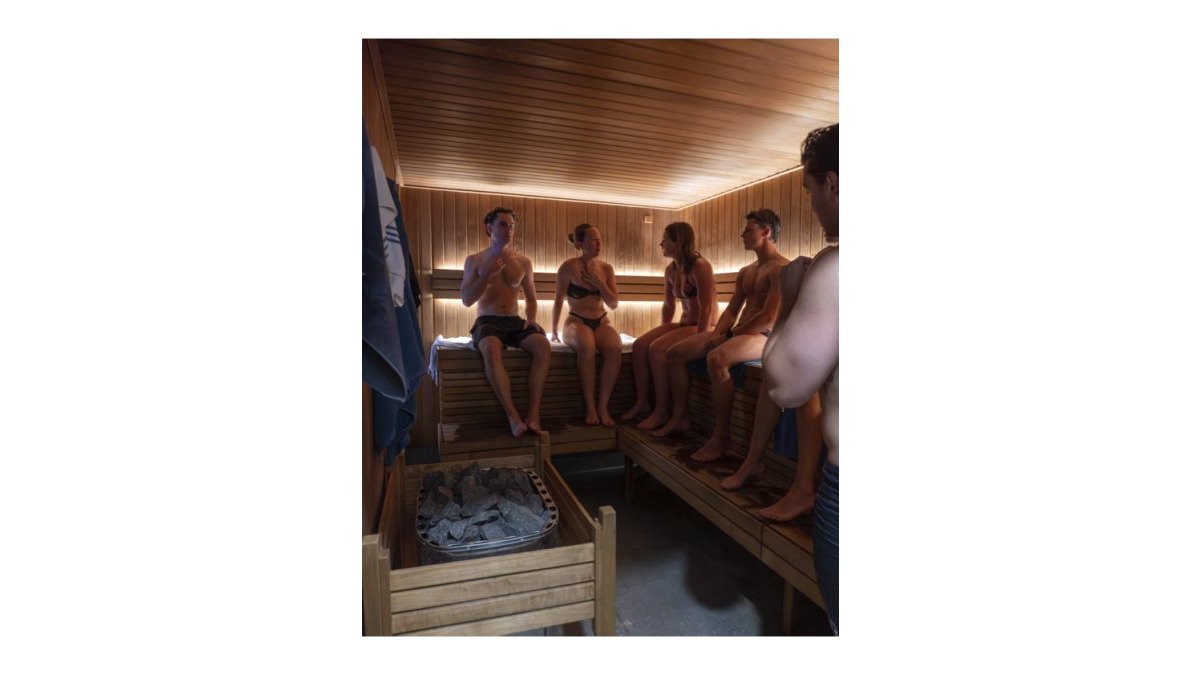
Sauna after workout recovery is popular for good reason. Heat can widen blood vessels, and many people find this helps them feel looser and more relaxed after a hard session.
Contrast therapy takes this further. It alternates hot and cold exposure to give your blood vessels a workout of their own.
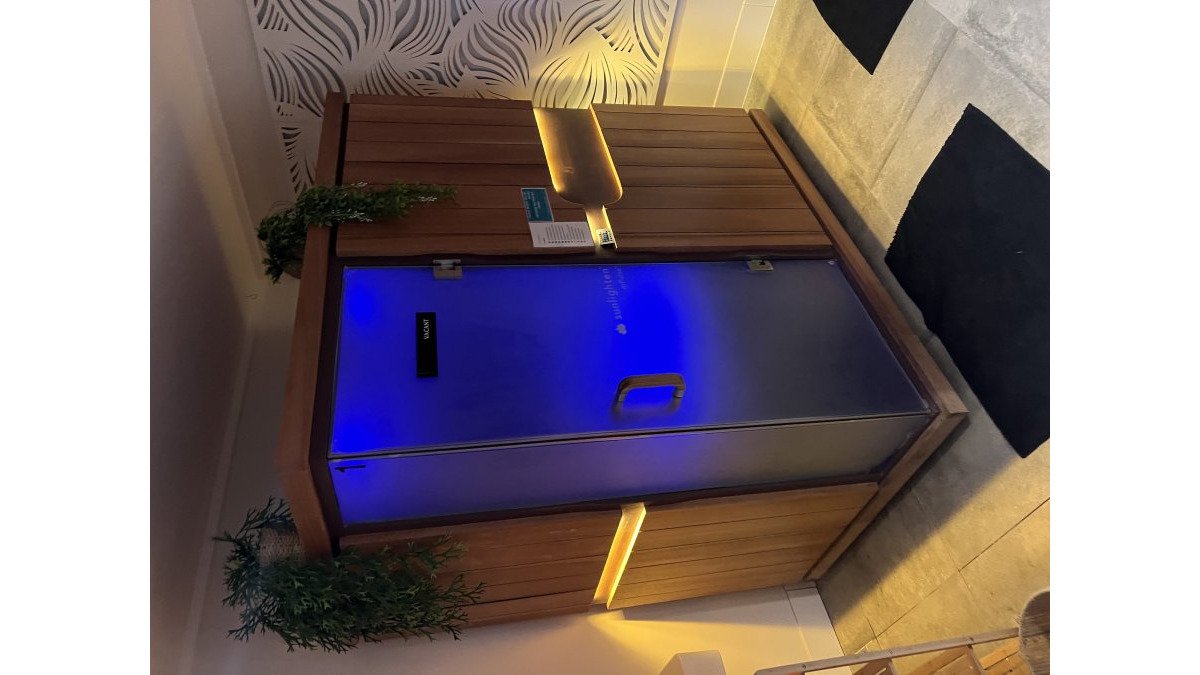
RIGS Brookvale offers contrast water therapy and infrared sauna sessions as part of its recovery services. If you want to understand the deeper benefits, our team has written about why you should incorporate sauna into your routine.
You can explore contrast water therapy sessions or book an infrared sauna session to see how they fit your training week.
One honest note: sauna and contrast therapy are recovery tools, not cures. They work best alongside the basics above, not instead of them.
When Poor Circulation Needs Medical Advice
Most post-training heaviness settles within a day or two. Some signs should send you straight to a doctor. Knowing the difference matters.
See a medical professional if you notice:
Swelling in one leg only, especially with pain or warmth
Sudden shortness of breath or chest pain
Legs that stay cold, pale or numb
Wounds on your feet or legs that are slow to heal
Persistent pain that does not improve with rest
These can point to something more serious than normal post-exercise fatigue. This article gives general information only. It is not a diagnosis. If something feels wrong, get it checked by a qualified professional.
Building Your Recovery Routine at RIGS Brookvale
A recovery routine works best when it is simple and repeatable. Here is how we would structure a typical week:
Day | Recovery Habit | Time Needed |
After every hard session | Cool-down sequence | 10 minutes |
Next day | Active recovery walk or swim | 20-30 minutes |
Every day | Steady hydration and leg elevation | 15 minutes |
Once or twice a week | Sauna or contrast therapy | 30-45 minutes |
The community side matters as much as the routine. Training with others can help keep you accountable, and sharing training stories and celebrating small wins can make recovery feel more like belonging than a chore.
If you are ready to build your own routine, you can book an appointment and our team can help you explore the right mix of therapies for your training load.
Frequently Asked Questions
How can I improve circulation after a workout?
Start with a proper cool-down: five to ten minutes of low-intensity movement such as walking or easy cycling, followed by gentle stretching. Keep drinking water in the hours after training, and elevate your legs for 10 to 15 minutes if you have been on your feet. Active recovery sessions the next day, like a light swim or walk, help maintain blood flow. For a more structured approach, contrast water therapy and compression therapy at a recovery centre can support the process.
Does walking after a workout help circulation?
Yes. Walking is one of the simplest forms of active recovery after intense training. It keeps your muscles moving without adding load, which helps blood flow return to the heart and supports the delivery of oxygen and nutrients to tired muscles. A 10 to 20 minute easy walk after training, or on a rest day, is a practical way to improve circulation without interfering with recovery.
Can a sauna help with post-workout recovery?
A sauna after workout recovery can be useful for relaxation and muscle comfort. The heat causes blood vessels to widen, which may support circulation and help you feel looser. It is not a substitute for proper cool-downs, hydration and sleep, and it is not suitable for everyone. If you have a heart condition, low blood pressure or are pregnant, check with your doctor first. At RIGS Brookvale, infrared sauna sessions are available as part of a broader recovery plan.
When should I seek medical advice about poor circulation?
See a doctor if you notice persistent cold or numb feet and hands, swelling in one leg, skin colour changes, wounds that are slow to heal, or pain in your legs when walking that eases with rest. These can be signs of an underlying circulation problem that needs assessment. A qualified health professional can check your vascular health and recommend appropriate treatment.
Recovery is not a luxury for serious athletes. It is part of the training itself. RIGS Brookvale brings together contrast water therapy, infrared saunas, compression therapy and a welcoming community space so you can repair, recover and rejuvenate in one place. Our expert team is here to help you build a routine that fits your body and your goals. Get started with RIGS Brookvale and give your training the recovery it deserves.

Comments