
Infrared Sauna After Workouts: A Joint Recovery Guide
Last Updated: November 17, 2026
Quick Summary
An infrared sauna is one recovery option many people use for sore joints after training, because it warms the body directly rather than heating the air around you. Heat is generally thought to relax tight tissue and encourage blood flow. Post-workout use is commonly chosen for joint comfort, once your heart rate has settled and you have had some water.
Wait for your heart rate to settle and drink water before entering the sauna.
Use heat for stiffness and dull soreness, and cold for new swelling or sudden flare-ups.
Consistency over several weeks matters more than long session length for joint goals.
Hydrate well before and after each session, and avoid alcohol beforehand.
Leave the sauna and cool down if you feel dizzy, light-headed or nauseous.
Want sore joints to recover faster?
RIGS Brookvale offers infrared sauna and other recovery therapies to support your routine.
Table of Contents
How Infrared Heat Affects Your Joints After a Workout
Sore joints after training are a common complaint, and infrared sauna is one recovery option many people ask about. Infrared heat warms the body directly rather than heating the air around you, and that gentle warmth is why many people find it comfortable to sit in after exercise.

Heat is generally thought to relax tight tissue and encourage blood flow. Australian Institute of Sport recovery guidance offers a useful starting point for understanding how recovery strategies fit into a training routine.
Our community at RIGS Brookvale values recovery as part of a complete routine, not a single fix, and encourages members to pay attention to how their joints feel over several sessions.
Sauna Before or After Workout: Which Timing Suits Joint Recovery
Timing your sauna session around training is not a one-size-fits-all decision, and for joint recovery specifically, the right choice depends on whether you are managing stiffness, soreness, or simply maintaining range of motion. Post-workout use is commonly chosen for joint comfort, because heat can help relax surrounding tissue. Our sauna recovery article explains why sauna has become part of many recovery routines. Many people wait until their heart rate has settled and they have had some water before entering a sauna.
Some people use heat before a session when their joints feel stiff, but it is not a substitute for a proper warm-up.
For joint-specific recovery, the distinction between acute and chronic matters. After a single hard session, a post-workout sauna may help you feel more comfortable. Over weeks, some people build consistent use on rest days or after lighter sessions into a routine alongside sleep and hydration. Our community at RIGS Brookvale values sharing what works for each of us, and that shared experience is part of what makes our community valuable. If you are unsure, talk with a qualified health professional before changing your routine.
Watch out: if you have an acute joint injury with swelling or sharp pain, check with a qualified health professional before using heat.
Post-workout and pre-workout sauna timing each suit different joint goals, as summarised below.
Timing | Best for | Key point |
After a workout | Joint comfort after a session | Wait for heart rate to settle |
Before a workout | Stiff joints | Not a substitute for warm-up |
Rest days or lighter sessions | Building consistent routine | Pairs with sleep and hydration |
After a hard single session | Feeling more comfortable | Acute effect |
Over several weeks | Chronic joint maintenance | Consistency matters |
Heat or Ice for Joint Pain After Exercise
Heat and cold do different things, and choosing between them depends on how your joint feels. Heat is commonly used for stiffness and general soreness, while cold is often used for fresh swelling or sharp, new pain.
Contrast water therapy alternates between warm and cold water, and some people find this combination comfortable after training. You can learn more about our contrast water therapy option if you want a combined approach.
Use heat for stiffness and dull, lingering soreness
Use cold for new swelling or a sudden flare-up
Stop and seek advice if pain is severe, sharp or worsening
How Long to Stay in an Infrared Sauna for Recovery
Session length for joint recovery is not about pushing through discomfort; it is about finding a duration that leaves your joints feeling better, not worse. Many people start with shorter sessions when they are new to infrared heat, so they can see how their body responds. Longer sessions are not necessarily better, and for joint-specific goals, consistency matters more than duration.
Frequency is equally important. Some people use a sauna after training sessions, while others prefer rest days. There is no single correct schedule, but tracking how your joints feel over a few weeks can help you find what works for you. Our community at RIGS Brookvale values sharing these experiences with one another.
When you are in the sauna, pay attention to how your joints feel, not just your overall comfort. If a joint starts to feel more swollen or painful, that is a signal to leave and reassess. Staying hydrated before and after a session is important, and it is wise to avoid alcohol before using a sauna. If you feel dizzy, light-headed, or nauseous at any point, leave the sauna and cool down.
Watch out: if you have a history of cardiovascular issues, are pregnant, or take medication that affects heat tolerance, speak with your doctor before using an infrared sauna, and keep sessions shorter until you know how you respond.
Infrared Sauna Safety and Hydration for Sore Joints
Safety comes first with any heat-based recovery. Drinking water before and after your session is a sensible habit, since heat can cause fluid loss.

Hydrate well before and after each session
Avoid alcohol before using a sauna
Sit down and cool off if you feel light-headed
Our community at RIGS Brookvale encourages members to ask questions about their own needs, because an honest conversation is part of what makes our community valuable.
When to Avoid Heat and Seek Medical Advice
Heat is not suitable for everyone, so some people should speak with their doctor before using a sauna.
Heart conditions, high or low blood pressure, or circulation problems
Pregnancy
Recent injury, swelling, or an unexplained joint problem
Fever or feeling unwell
If joint pain is persistent, severe, or accompanied by swelling, redness or warmth, see a doctor or physiotherapist. Heat is not a substitute for proper medical assessment.
Building Your Post-Workout Joint Recovery Routine at RIGS Brookvale
A good recovery routine combines rest, movement, hydration and sensible use of heat or cold. Start with one or two methods, track how your joints feel over a few weeks, and adjust from there.
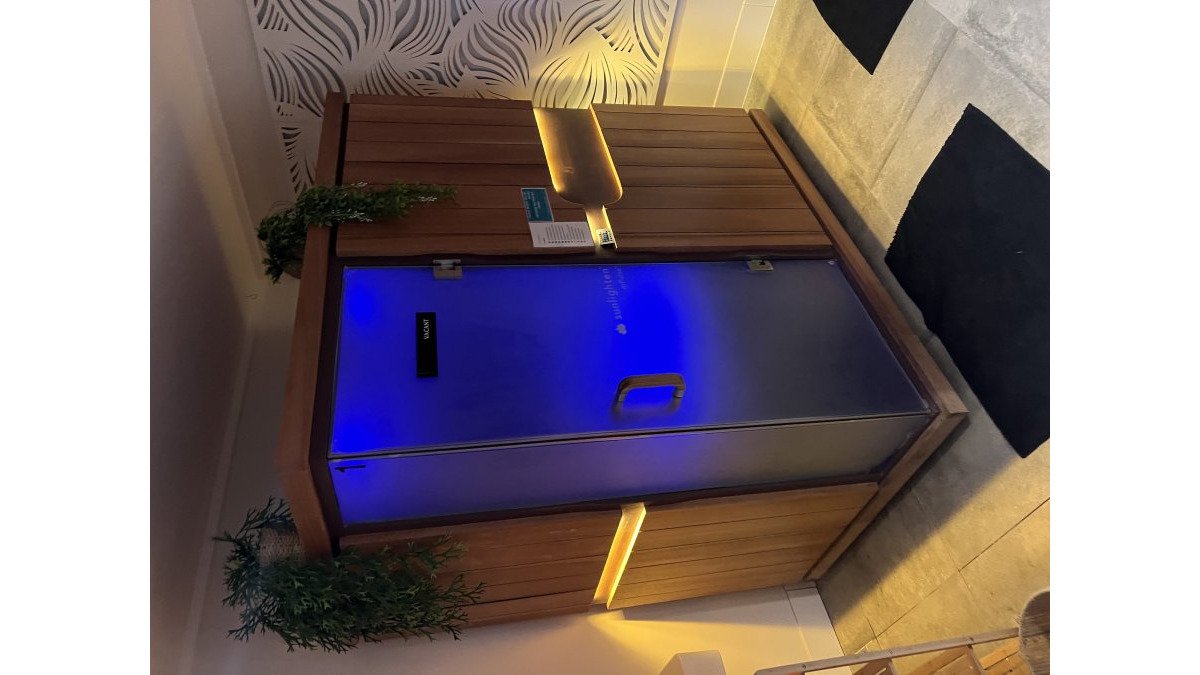
You can explore the full range of recovery options on our culture and therapies page. If you are interested in trying infrared sauna, our infrared sauna page explains what to expect, and you can compare drop-in sessions and packs to find an option that fits your schedule.
Our community is built around people who want to recover well and support each other along the way. Whether you are a regular athlete or new to recovery, our community is glad to share ideas for building a routine that works. Book your session today and see how it feels for you.
Frequently Asked Questions
Can an infrared sauna help with joint recovery after a workout?
An infrared sauna may help you feel more comfortable after training by raising skin and tissue temperature, which can ease stiffness for some people. The evidence specific to joints is limited, so treat it as one part of a recovery routine rather than a fix. Keep your physiotherapist's exercises going, and see a qualified professional if joint pain is new, severe or lasting. Anyone with an injury should check with their clinician before adding heat sessions.
Should you use an infrared sauna before or after exercise?
Many people use an infrared sauna after exercise for recovery. Warming up with light movement is usually a better pre-workout step. Sauna sessions after training are easier to schedule around your rest day. If you are unsure which timing suits you, ask your sports physio or exercise professional to help you plan it.
How often can you use an infrared sauna for recovery?
Many people use an infrared sauna a few times a week, but there is no single proven schedule for joint recovery. Start with short sessions and see how your body responds the next day. Do not use a sauna on consecutive days if you feel drained, dizzy or unusually sore. Frequency should suit your training load, your hydration and any health conditions you have, so review it with your healthcare provider.

Comments