
Is a Wellness Centre Worth It for Recovery?
Last Updated: November 7, 2026
Quick Summary
A wellness centre is worth it for recovery when it brings saunas, hydrotherapy, massage and physiotherapy together under one roof, so you can move between treatments without losing a day to travel. Recovery is cumulative, so the real benefit comes from a routine built around your training load and your body's history, not a single session.
A wellness centre combines heat therapy, water therapy, hands-on treatment and allied health under one membership or booking system.
Schedule contrast water therapy after hard training days, often in the 24 to 48 hours when soreness peaks.
Check with your doctor before contrast therapy if you have a heart condition, uncontrolled blood pressure or are pregnant.
Physiotherapy prescribes rehabilitation while recovery services support the tissue between appointments; they do not replace exercises.
Ask who will treat you, what qualifications they hold, and whether towels, robes and lockers are included.
Not sure which recovery session to start with?
RIGS Brookvale offers contrast water therapy, infrared saunas and physiotherapy on the Northern Beaches.
Table of Contents
What a Wellness Centre Actually Does for Recovery
A wellness centre is a facility that brings recovery and wellbeing services under one roof, from saunas and hydrotherapy to physiotherapy and massage.
That's the honest case for a wellness centre.
Here's what most guides get wrong: they sell the pampering and skip the practical question of whether structured recovery actually fits your training week.
The first thing to understand is that recovery is cumulative. One session feels good.
Recovery Centre Services: What You Can Expect to Find
A recovery centre typically combines heat therapy, water therapy, hands-on treatment and allied health under one membership or booking system. The mix varies, so it pays to check what's actually on site rather than what's on the brochure.
Saunas, Steam Rooms and Hydrotherapy
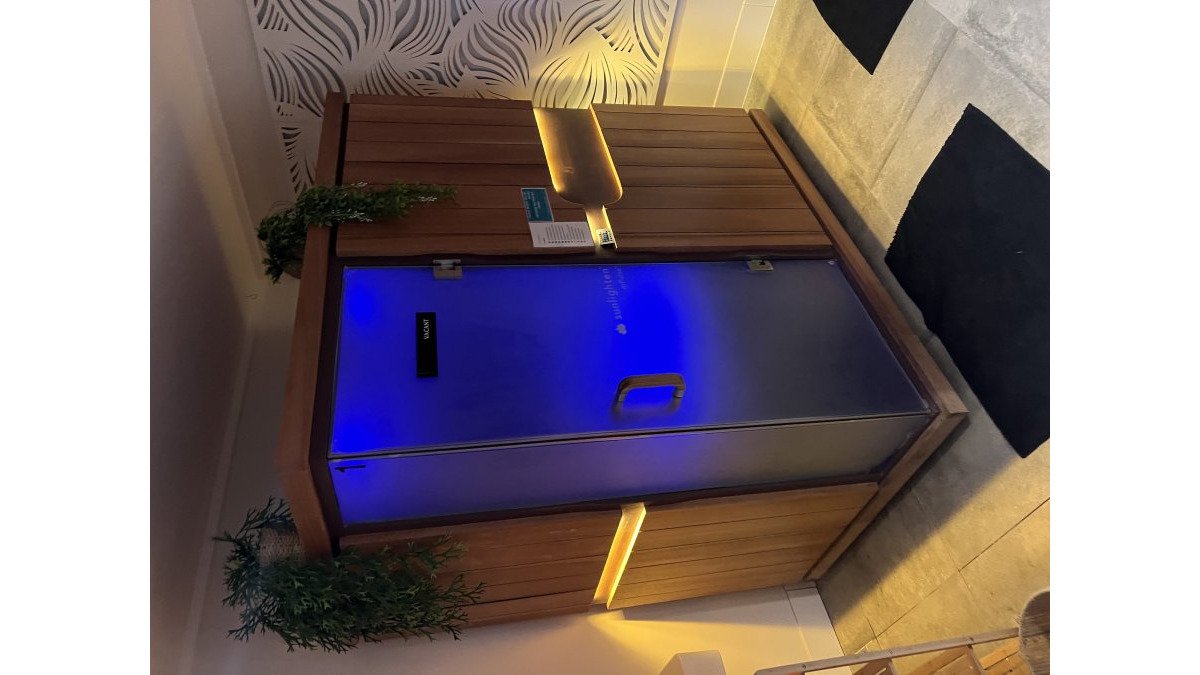
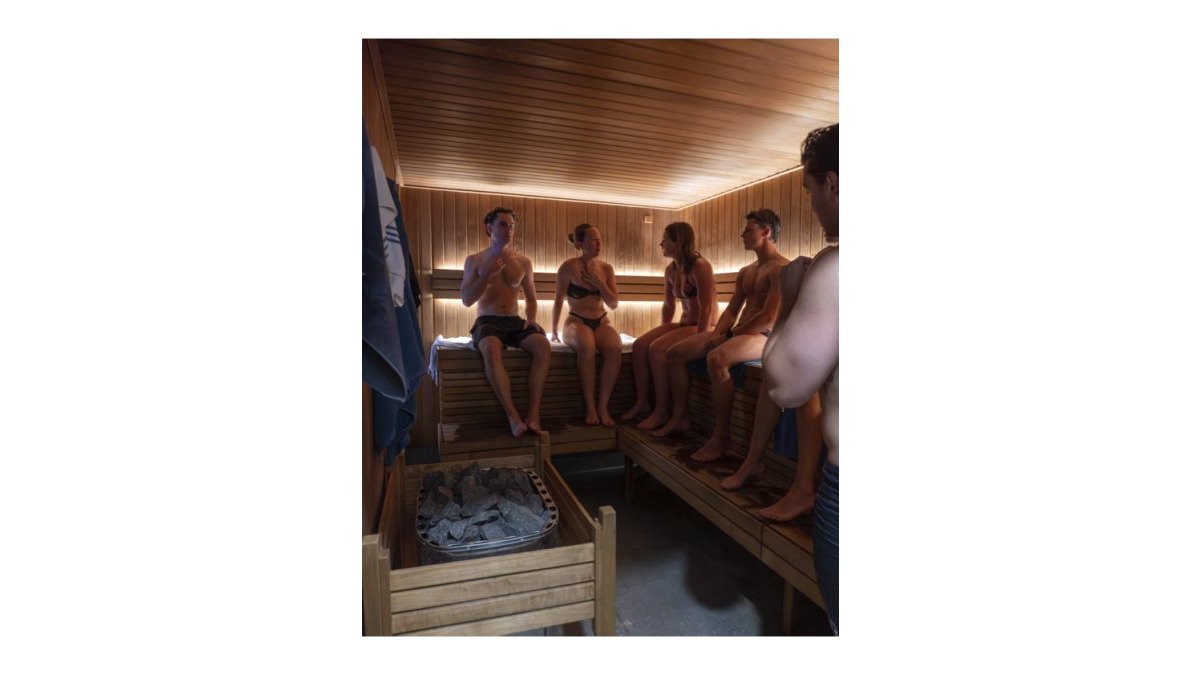
Sauna therapy is the use of dry or infrared heat to raise body temperature, promote circulation and help muscles relax. Traditional saunas heat the air around you; infrared saunas warm the body more directly at lower air temperatures, which many people find easier to tolerate for longer sessions.
Hydrotherapy covers water-based treatment more broadly: warm pools, contrast pools, steam rooms and showers.
Massage, Skin and Beauty Treatments
Massage and soft-tissue work target muscle tension and circulation, and most recovery studios offer sports, remedial or relaxation styles.
If you want a full picture of what's available locally, our pricing page sets out the session types and packages on offer.
How Contrast Water Therapy Fits Into a Recovery Plan
Contrast water therapy is the practice of alternating between warm and cold water immersion to stimulate circulation and support muscle recovery. The theory is straightforward: heat opens blood vessels, cold narrows them, and the switching encourages blood flow through tired tissue. What most guides skip is how to actually run a session, when to schedule it and when to leave it alone.
What a session typically looks like
A common pattern is a short warm immersion followed by a shorter cold immersion, repeated for several rounds and finished on cold. Exact temperatures and timings vary by centre and by individual, so treat any protocol as a starting point rather than a prescription.

Where it fits in your week
Timing is the part people get wrong. A common approach is to schedule contrast sessions after hard training days rather than before, and to keep them away from the immediate pre-session window if you are chasing peak performance. Some practitioners find that contrast work is most useful in the 24 to 48 hours after demanding sessions, when soreness and stiffness are at their highest. Others prefer it as a standalone recovery habit on rest days.
What the evidence does and does not support
Contrast therapy is widely used in sport and recovery settings, and many people report reduced soreness and improved perceived recovery. The evidence is mixed on how much of that comes from the contrast itself versus the warmth, the cold, the movement and the simple act of taking a recovery session seriously. It is not a substitute for sleep, hydration, loading programmes or actual rehabilitation.
Safety and contraindications
Watch out: contrast therapy is not appropriate for everyone. If you have a heart condition, uncontrolled blood pressure, circulation problems, are pregnant or are managing a chronic illness, check with your doctor before your first session. Avoid contrast work on broken or irritated skin, and do not use it while intoxicated. Talk to our team before your first session so they can advise whether contrast water therapy suits your circumstances.
Making it a habit
The people who get the most from contrast therapy are the ones who build it into a repeatable routine rather than treating it as an occasional treat. Keep the timing consistent with your training week, and let your practitioner know how you respond so the approach can be adjusted. You can read more about contrast water therapy and what a session involves, or ask the team on your first visit to walk you through the sequence.
Why an Infrared Sauna Suits Athletes and Busy Professionals
Infrared saunas appeal to people who want the benefits of heat without a long, hot commitment. Like infrared heat, vibroacoustic therapy benefits may appeal to people seeking a gentler way to unwind, though it offers a different kind of sensory experience.
For athletes, the draw is muscle relaxation and a wind-down routine that doesn't eat into recovery time.
A common mistake is treating sauna time as a substitute for sleep, hydration or actual rehab. It isn't. Think of heat therapy as one input in a broader plan, not the plan itself.
Our infrared sauna sessions are bookable around your schedule, and the team can walk you through what to expect on a first visit.
Physiotherapy and Recovery: How They Work Together
Physiotherapy and recovery services do different jobs, and the best results come when they talk to each other. Physiotherapists assess and prescribe rehabilitation. Recovery services can support the tissue between appointments.
If you're rehabbing a calf tear, for example, your physio might set loading exercises and a return-to-run timeline.
At RIGS Brookvale, our in-house physiotherapy team works alongside the recovery floor, so your treatment plan and your recovery sessions aren't running on separate tracks.
How to Choose a Wellness Centre Based on Your Goals
Most guides hand you a checklist and leave you to it. A more useful approach is to work backwards from your goal, because the right centre for a marathon runner in a heavy training block is rarely the right centre for someone managing a desk-bound back or a skin concern. The questions below are the ones we hear most often from our own community, and they map directly to what you should look for on site.
Match the modality to the goal
Performance and recovery: prioritise contrast water therapy, compression, infrared sauna and access to remedial or sports massage. The test is whether the centre can sequence these around your training week, not just sell them individually.
Relaxation and stress management: look for a calm, well-ventilated layout, steam rooms, warm hydrotherapy and relaxation massage. Ask how many people are in the space at once, a crowded sauna is not a relaxing one.
Skin and beauty: check who performs the treatment, what training they hold, and whether the centre separates clinical skin work from general spa offerings.
Fitness and movement: confirm whether the facility has strength and mobility equipment on site, or whether it expects you to arrive already warmed up.
Mental wellbeing and allied health: ask whether physiotherapy, psychology or counselling are in-house or referred out, and how those practitioners communicate with the recovery floor.
Ask about qualifications and screening
Ask directly who will be treating you and what qualifications they hold. Screening matters most for heat and cold exposure: if you have a heart condition, uncontrolled blood pressure, are pregnant or are managing a chronic illness, get clinical advice before your first session. Most practitioners find that a short pre-session screen catches the cases where a treatment should be deferred.
Check accessibility and inclusive facilities
These details decide whether a routine survives a busy month, and they are the ones roundups usually omit. Ask about step-free access, doorway widths, accessible changing and shower facilities, and how quiet the space is if you are sensitive to noise or bright light. If you use a mobility aid, ring ahead and ask for a walk-through.
Work out the logistics before you commit
Travel and parking: check public transport links and whether parking is realistic at the times you would actually visit. A centre that is easy at 10am and impossible at 6pm is not convenient.
Opening hours: check whether early-morning and late-evening access suits your working week.
Booking: ask how sessions are booked and what the cancellation terms are.
What a session includes: confirm whether towels, robes, lockers and shower products are included or extra, and how memberships or packs are structured. Our pricing page sets out session types and packages so you can compare inclusions before you visit.
The community test
One question is worth asking: who else uses the place?

Work backwards from your goal, because the right centre depends on what you're training for.
Goal | What to prioritise | What to check |
Performance and recovery | Contrast water therapy, compression, infrared sauna, sports massage | Can the centre sequence these around your training week? |
Relaxation and stress management | Calm, well-ventilated layout, steam rooms, warm hydrotherapy, relaxation massage | How many people are in the space at once? |
Skin and beauty | Clinical skin work kept separate from general spa offerings | Who performs the treatment and what training they hold |
Fitness and movement | Strength and mobility equipment on site | Or does it expect you to arrive already warmed up? |
Mental wellbeing and allied health | Physiotherapy, psychology or counselling | In-house or referred out, and how practitioners communicate |
Book Your First Recovery Session
The gap between knowing recovery matters and actually doing it is usually a booking problem. You don't need a perfect plan.
At RIGS Brookvale, we've built our centre around the local community on the Northern Beaches, where people come to repair, recover and rejuvenate without turning it into a project.
Get started with RIGS Brookvale and book your first recovery session today.
Ready to make recovery part of your week? Our team will help you choose the right session for your goals and show you around the centre.
Frequently Asked Questions
What should I look for in a wellness centre?
Look for qualified staff, clear information about each therapy, and facilities that match your goals. Ask whether the centre offers a free trial so you can test the space before committing. Check what is included in a treatment package and whether memberships suit your schedule. A good wellness centre explains the evidence behind its services, outlines any risks, and encourages you to consult a health professional if you have an injury or medical condition.
What is the difference between a wellness centre and a physiotherapy clinic?
A physiotherapy clinic focuses on diagnosis, hands-on treatment and structured rehabilitation for a specific injury. A wellness centre provides recovery and wellbeing services such as contrast water therapy, infrared sauna and compression therapy that support the body between clinical sessions. The two work best together: physiotherapy and recovery complement each other, with your physiotherapist guiding the rehab plan and the wellness centre helping you manage soreness, stress and circulation.
Can wellness therapies replace physiotherapy or medical care?
No. Wellness therapies support recovery and relaxation, but they do not diagnose or treat medical conditions. If you have an injury, chronic pain or a post-surgical recovery plan, see a qualified health professional first. Use a wellness centre as part of a broader plan that includes clinical care, exercise and rest. Always tell staff about existing injuries or health conditions before trying contrast water therapy, an infrared sauna or any other treatment.
How can I compare recovery centres and their services?
Compare the therapies offered, session durations, what each package includes, and whether staff are qualified. Check location, parking and public transport access, plus booking flexibility for drop-in sessions or memberships. Ask about accessibility and inclusive facilities. Rather than chasing the lowest price, weigh the range of recovery centre services against your goals, and confirm whether a free trial is available so you can judge the experience first hand.

Comments